

The neurodivergent manifesto: For anyone who learned to hide themselves

Over the years, I’ve worked with a lot of neurodivergent people carrying the same fear: that their struggles meant something was fundamentally wrong with them.
They spent years being treated like their differences were problems to fix, hide, overcome, or apologize for.
People pushing themselves to exhaustion trying to seem “normal.”
People becoming experts at looking “fine.”
People hiding overwhelm, confusion, sensory pain, emotional intensity, or support needs because they were afraid of how others would react.
After enough conversations like these, I started writing something that eventually became The Neurodivergent Manifesto.
Part of it reads:
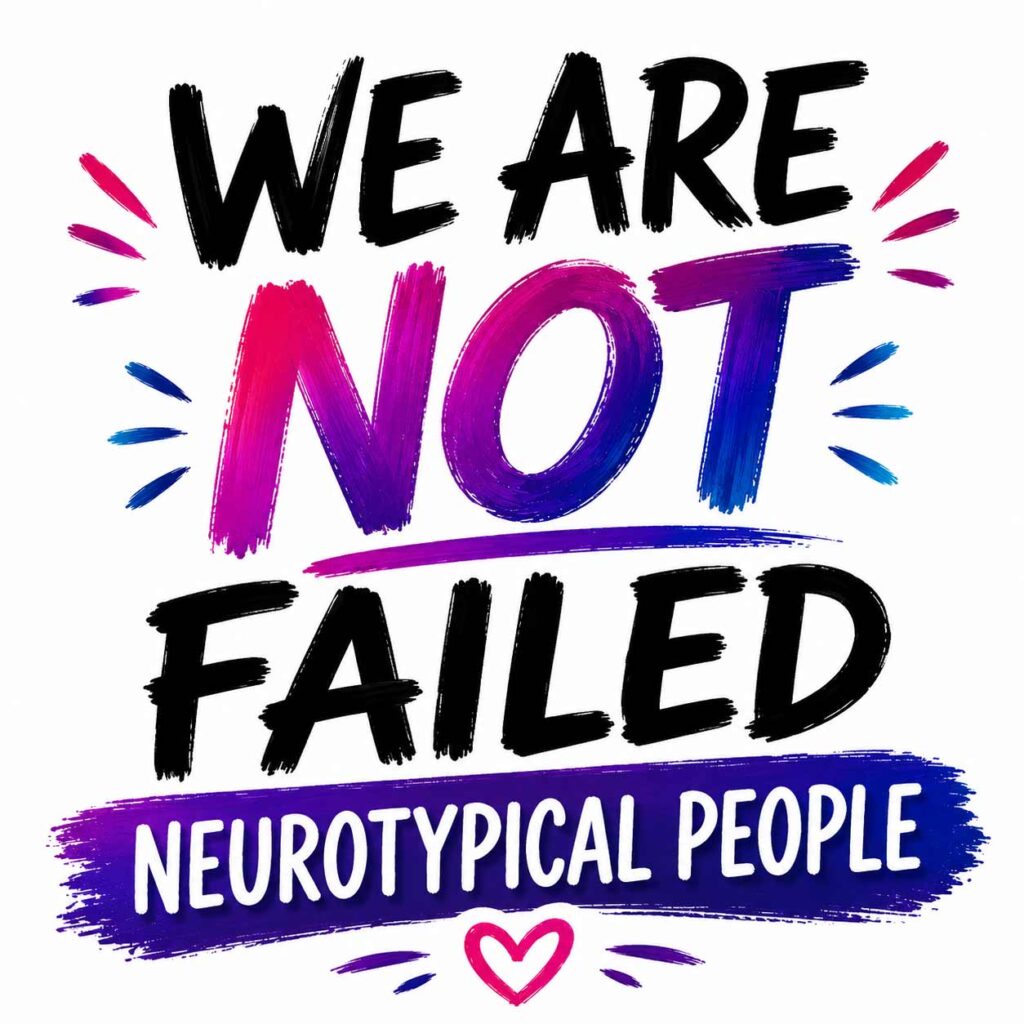
“We are not failed neurotypical people.”
“A person can struggle and still deserve dignity.”
“We deserve lives that do not require self-erasure.”
A lot of neurodivergent people learn early that authenticity comes with consequences.
As a result, they adapt.
They monitor themselves constantly. Rehearse conversations. Hide stress. Push through overload. Suppress needs. Become whoever other people seem most comfortable with.
And after doing that long enough, many end up carrying a deep sense of shame without fully realizing where it came from.
The problem was never simply being different, but rather existing in environments where difference was treated like failure.
Download the Full Neurodivergent Manifesto
What would change if you no longer treated your needs, limits, or differences as something shameful?
Essy Knopf is a therapist who likes to explore what it means to be neurodivergent and queer. Subscribe to get all new posts sent directly to your inbox.
© 2026 Ehsan "Essy" Knopf. Any views or opinions represented in this blog are personal and belong solely to the blog owner and do not represent those of people, institutions or organizations that the owner may or may not be associated with in professional or personal capacity, unless explicitly stated. All content found on the EssyKnopf.com website and affiliated social media accounts were created for informational purposes only and should not be treated as a substitute for the advice of qualified medical or mental health professionals. Always follow the advice of your designated provider.