

Finding purpose when you’re neurodivergent and your career hasn’t worked out
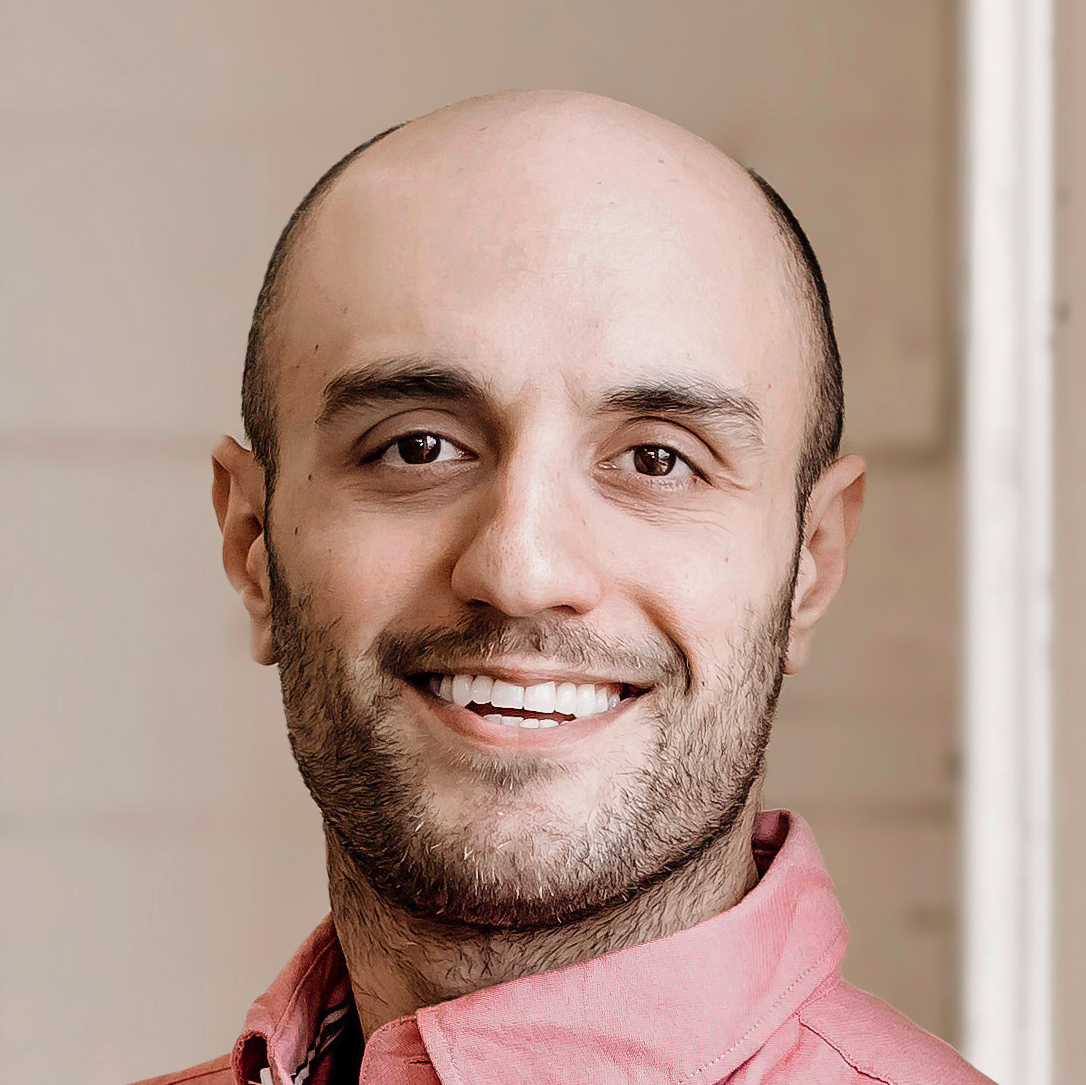

As a neurodivergent (ND), I’ve spent much of my life trying to work out what I want to do and whether I can make a living doing it. For a time, that was filmmaking. Later, it was journalism. I pursued both seriously, hoping that enough effort would lead to a viable career.
From the outside, changing direction might look like losing interest. That wasn’t really what happened. I could stay interested and work hard, yet reach a point where I couldn’t see how to progress.
That was difficult to accept. When you’ve invested so much in something, hitting a wall like that can leave you questioning more than your career choice.
Having a Passion Wasn’t Enough
For me, purpose and progress are closely connected. I need to care about what I’m doing, but I also need some indication that my effort is getting me somewhere.
That doesn’t have to mean a promotion or recognition. Learning how to do something I couldn’t do before can be satisfying. So can finishing a piece of work that I think will be useful to someone.
What I find much harder is continuing to put in effort without knowing whether there’s a realistic way forward. Some of the periods when I’ve struggled most with anxiety and depression as an auDHDer have coincided with feeling unable to progress toward work that mattered to me.
This is not to say that finding a vocation resolves mental health difficulties, but rather that it grounds me. It provides both a purpose and an outlet for my energy and interests, as well a sense of ongoing learning and accomplishment.
Finding Meaningful Work Without Making It Everything
Therapy, mental health education, and neurodivergent advocacy have given me a sense of direction that I struggled to find in earlier careers. I care about helping people understand experiences they may have spent years blaming themselves for. Being able to do that work makes me feel more hopeful about my place in the world.
That helps explain why stalled progress has been so difficult for me. When work is central to how you find meaning, struggling to move forward can leave you questioning much more than your career. If you’re also feeling disconnected from other people, as I felt for a lot of my life, there may be little else giving you that sense of fulfillment.
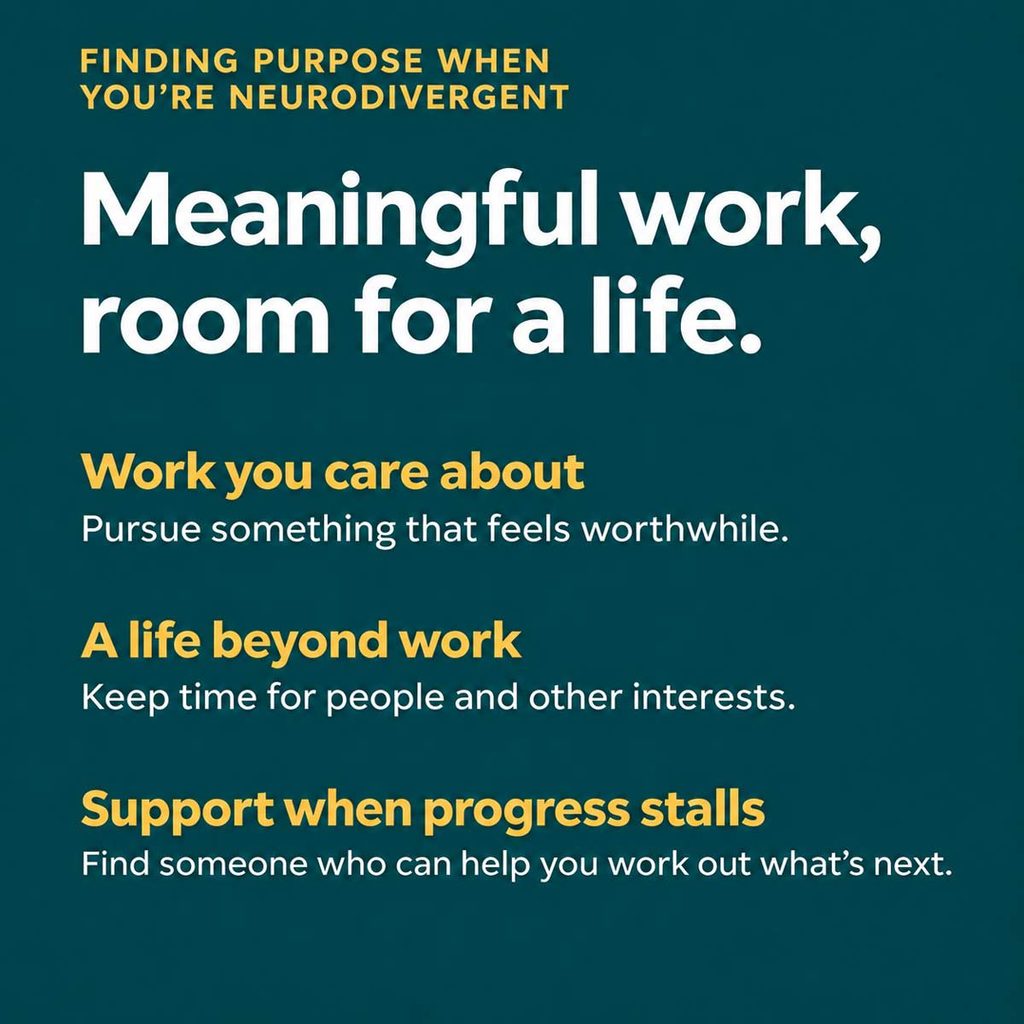
As a recovering workaholic, I’m aware of how much I can ask work to provide. I still want to spend a substantial part of my week doing something I care about. But I also need people I can spend time with and things I enjoy without needing to achieve anything. Balance is necessary.
While those parts of my life don’t replace the satisfaction I get from my vocation, they offer somewhere else to turn for company or enjoyment when work stalls, or I work out what comes next.
Does a Vocation Have to Pay the Bills?
I’ve always wanted meaningful work that could also support me financially – ideally something that incorporates something that involves a passion. That combination matters to me, but I don’t think every ND needs to turn a passion into a career.
Being paid to do something changes the conditions around it. There may be deadlines or demands that take away some of what you enjoyed. You might prefer a job that covers your expenses and leaves enough energy for the work you care about outside of it.
And wanting to convert a passion into a vocation isn’t always a straight shot. There are also practical barriers that enthusiasm won’t solve. A field may be difficult to enter without money, qualifications, or contacts. You might enjoy the work itself but struggle with the environment in which you’re expected to do it.
Those are useful distinctions to make before deciding you chose poorly or didn’t try hard enough to make your vocation work.
Making the search more specific
“Find your purpose” can feel like an enormous assignment. I’ve found it more useful to think about what I want to spend my time doing and what would allow me to continue.
If you’re trying to work that out, consider:
- Which part of the activity matters to you? You might love explaining a subject but dislike the other demands of a teaching role.
- What would progress look like in the next few months? Choose something you can influence, such as completing a small project or getting feedback from someone working in the field.
- What is actually blocking you? Missing a qualification calls for a different response from exhaustion or uncertainty about where to begin.
- What conditions would make the work sustainable? Consider the income you need and how much energy the work leaves for the rest of your life.
A mentor or career adviser who understands your needs may help you answer those questions. You don’t have to work out every unfamiliar part of a profession alone.
Wrap Up
Finding a vocation has made a substantial difference to me. I have somewhere to direct my effort, and I can see a connection between what I care about and what I do each week. And this has been deeply gratifying and grounding for me as an ND.
Getting here took changes of direction. I couldn’t have known at the beginning exactly where I would end up, and I don’t think that makes the earlier effort wasted. I learned more about the kind of work I wanted and what I needed to keep doing it.
Have you found work or an interest that gives you a sense of purpose?
Essy Knopf is a therapist who likes to explore what it means to be neurodivergent and queer. Subscribe to get all new posts sent directly to your inbox.
© 2026 Ehsan "Essy" Knopf. Any views or opinions represented in this blog are personal and belong solely to the blog owner and do not represent those of people, institutions or organizations that the owner may or may not be associated with in professional or personal capacity, unless explicitly stated. All content found on the EssyKnopf.com website and affiliated social media accounts were created for informational purposes only and should not be treated as a substitute for the advice of qualified medical or mental health professionals. Always follow the advice of your designated provider.