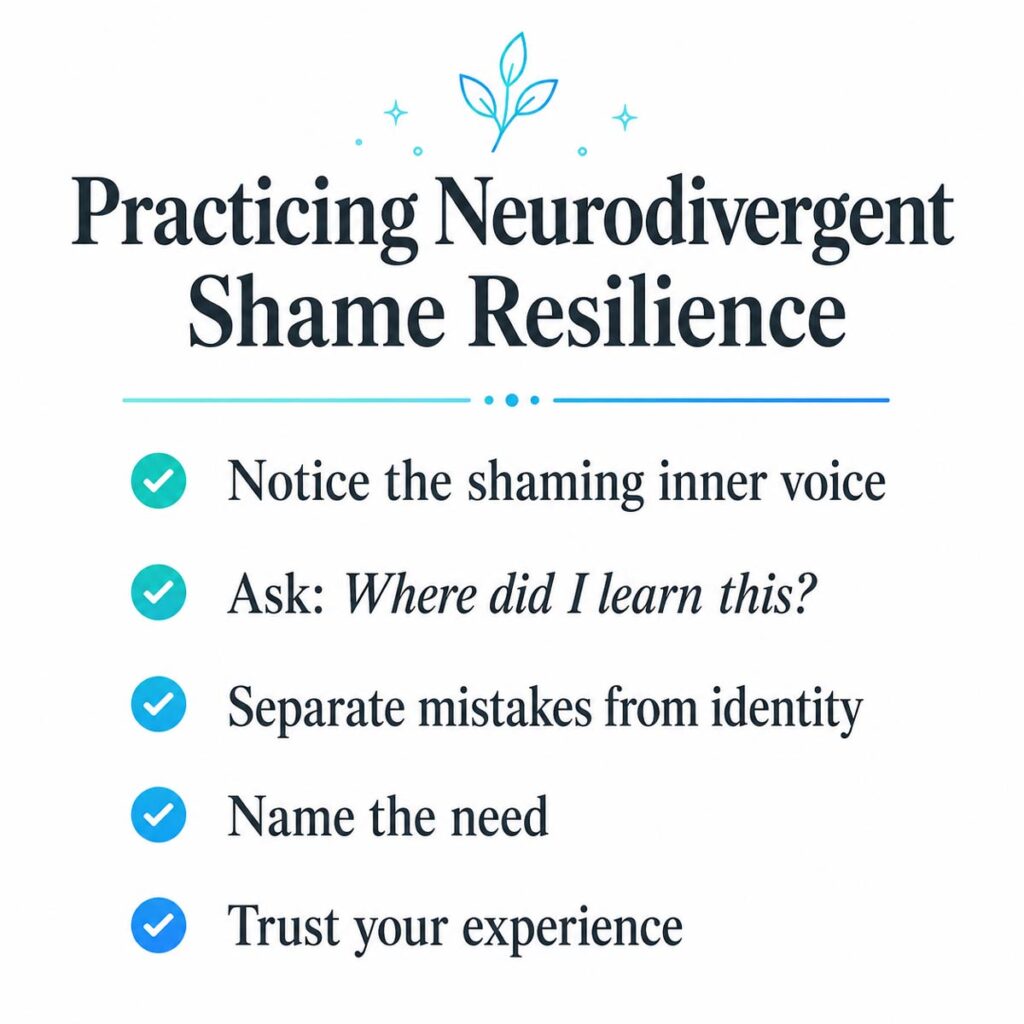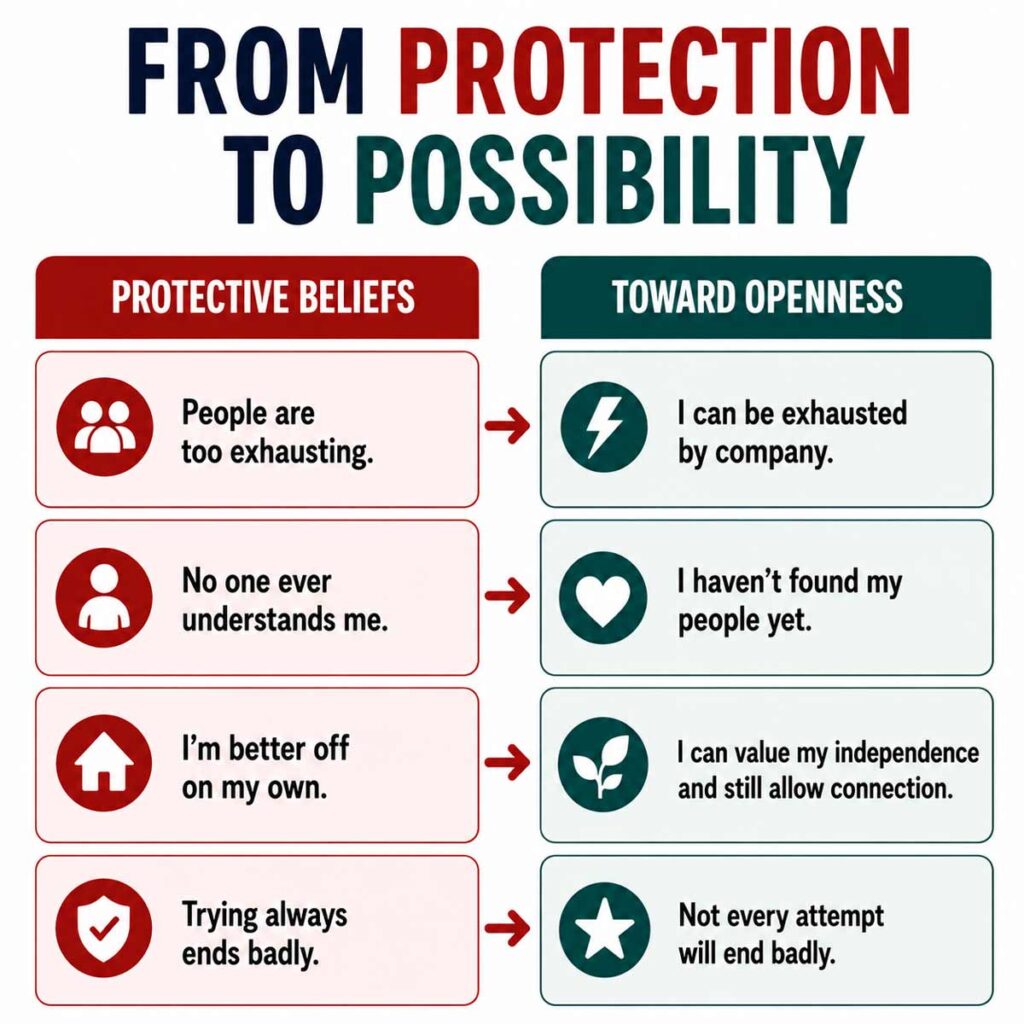

Why neurodivergent self-silencing can leave you exhausted


You agree to stay a little longer, even though the restaurant noise is making it hard to think. Your friend wants to tell you something, and you don’t want them to feel brushed off. So you keep listening and hope they finish soon.
Later, you’re exhausted and irritated. You wanted to spend time with them, but you also wanted to leave half an hour ago.
This is one way neurodivergent self-silencing can show up: you hold back what you need because someone else’s possible disappointment feels more urgent. Sometimes you agree so quickly that you only recognize your discomfort afterward.
How holding back your needs becomes a habit
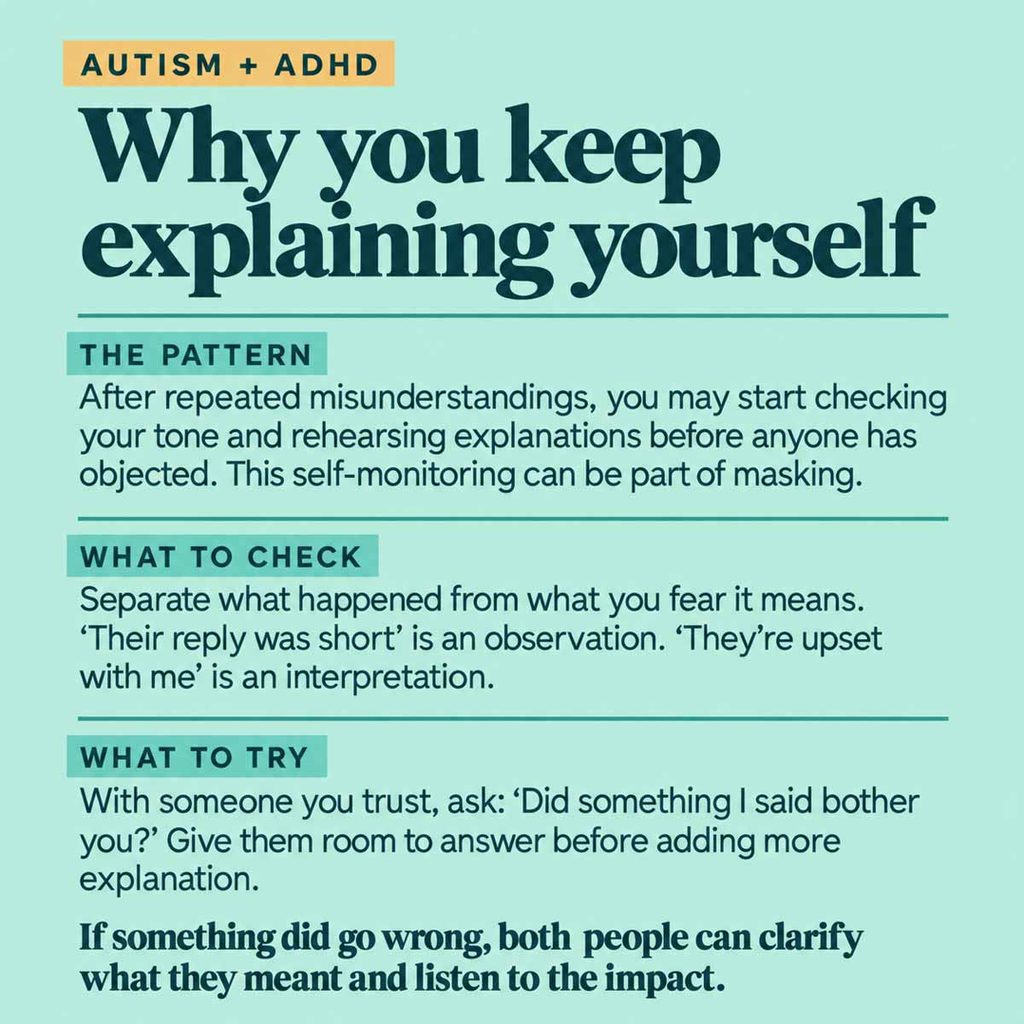
If people have repeatedly taken your needs personally, you may start treating those needs as something you have to explain carefully.
Asking for quiet becomes an apology, while leaving a gathering requires reassurance that you had a good time. You might even stay somewhere uncomfortable because saying nothing seems easier than convincing someone you aren’t rejecting them.
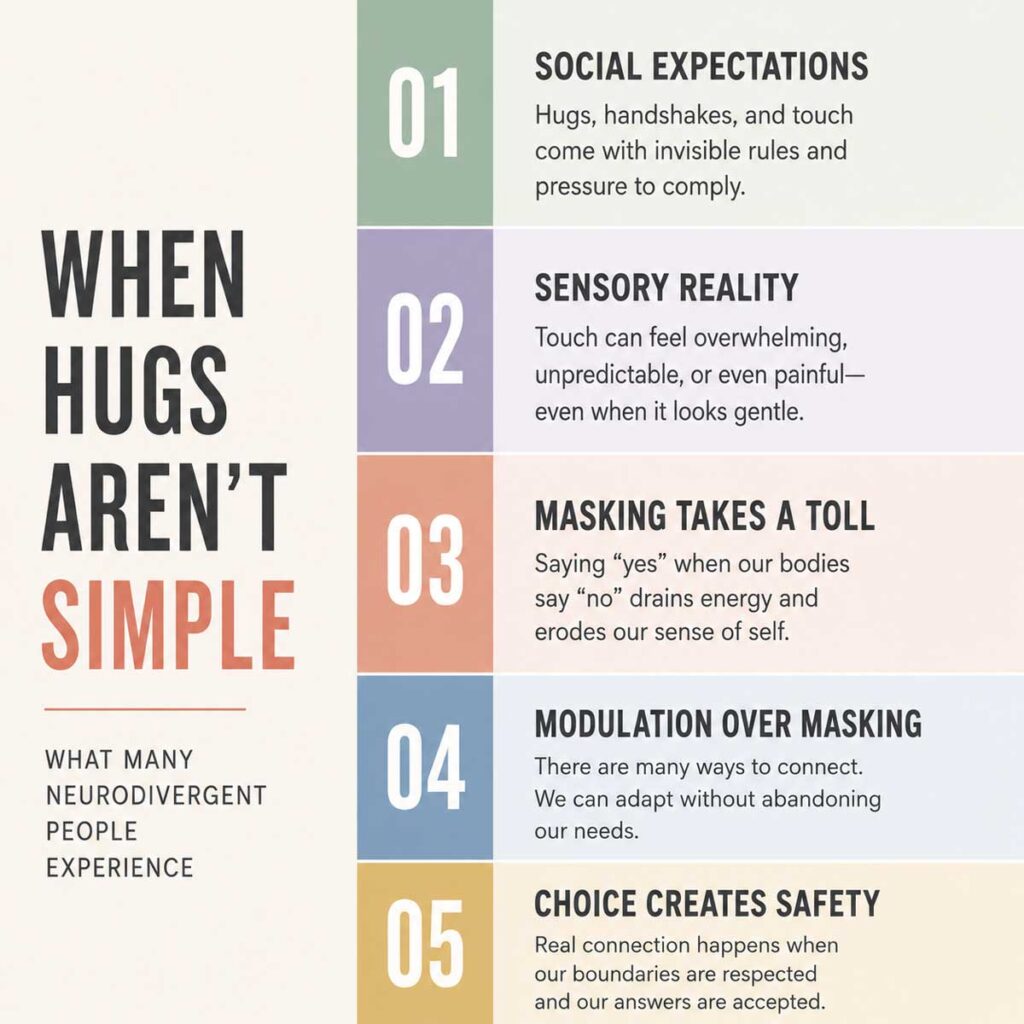
This can overlap with masking, particularly when you’re concealing discomfort or managing your expression to meet social expectations. Those adjustments may help you get through an interaction, which is part of what makes them difficult to reconsider.
Other people’s responses can reinforce the habit. Someone may describe you as easygoing without realizing how often you’re agreeing to things you don’t want.
After a while, you can find yourself wondering whether they would still enjoy your company if you asked for more.
Caring can take effort without being fake
Some autistic and ADHD adults need time to work out what they feel or how they want to respond. If a friend shares something painful while you’re overwhelmed, you may care about them and still struggle to find words.
Choosing a thoughtful response doesn’t make your concern artificial. Nor does needing a moment mean you lack empathy.
The pressure comes when you believe you must respond immediately, regardless of your capacity. You start worrying about whether your face looks sympathetic enough instead of listening to what the person is saying. Meanwhile, your own need for a pause goes unspoken.
A flat voice or quiet expression doesn’t necessarily reveal how much you care. You might be concentrating or tired; it may simply be how you communicate.
Saying, “I’m listening; I just need a moment to take that in,” gives the other person some context without requiring you to conceal what’s happening for you.
The difficult part is allowing disappointment
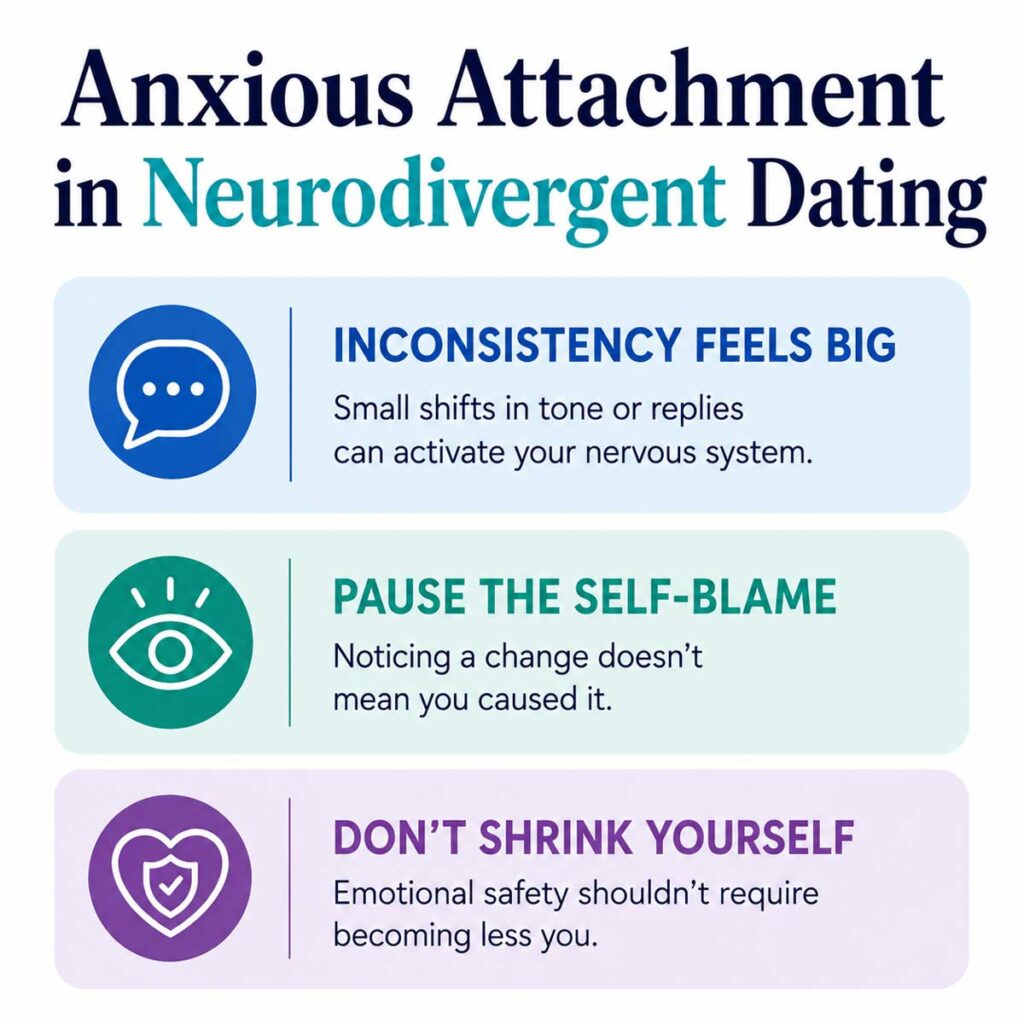
When you’re accustomed to holding back, another person’s disappointment can feel like evidence that you should have kept quiet.
But a friend can wish you’d stayed longer and still respect your decision to leave. You can care about that disappointment without changing your answer.
Waiting until nobody minds your boundary may mean never setting it. Even considerate people won’t always want the same thing you do.
What tells you more is how they respond. Do they accept your answer, even reluctantly? Or do they keep pressing until you give in?
You can explain your needs clearly. The other person’s willingness to respect them remains their responsibility.
Give yourself time before agreeing
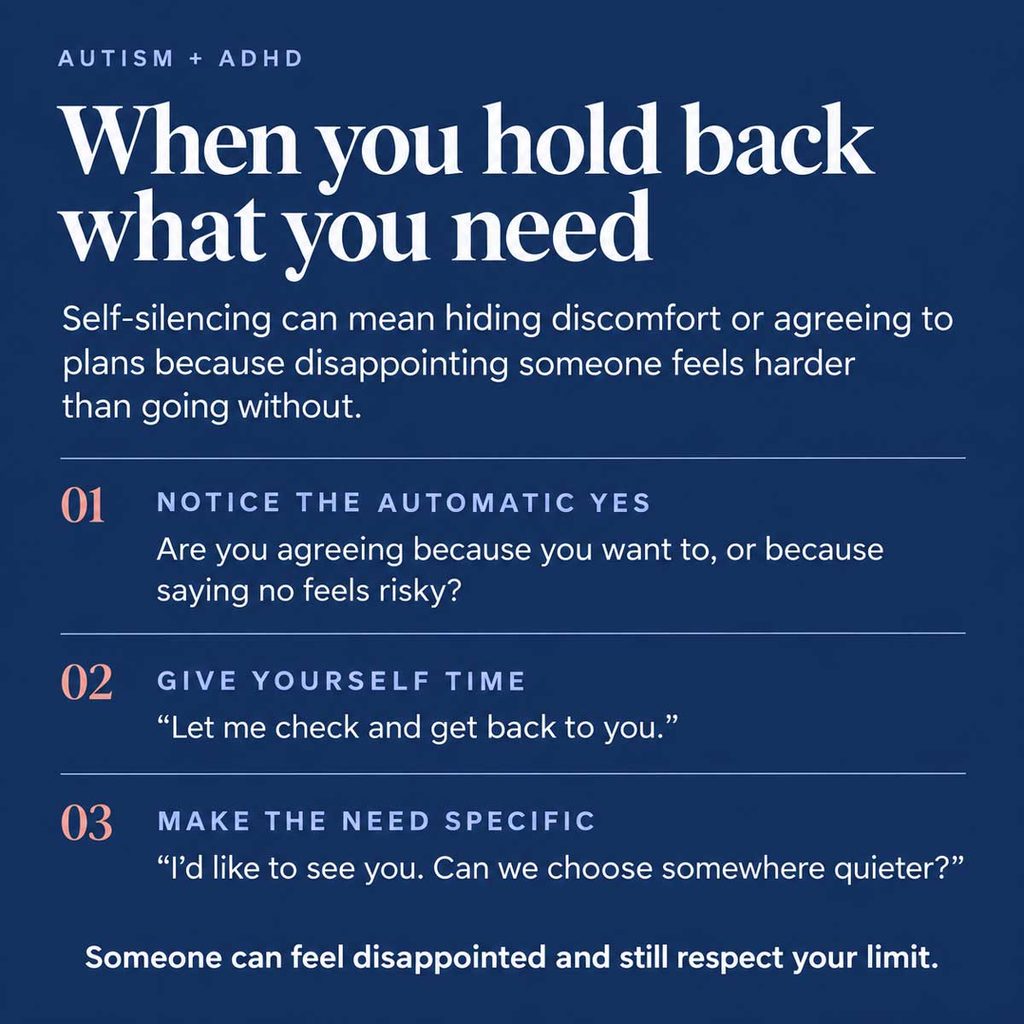
A useful place to begin is with the moment before your automatic yes.
“I’ll check and get back to you” gives you time to consider whether you actually want to go and what it would require. You don’t have to decide while watching someone’s face for signs of disappointment.
For plans you do want, try stating a limit early: “I’d love to come. I can stay for about an hour.” That may feel easier than waiting until you’re overwhelmed and trying to explain why you suddenly need to leave.
If you notice your discomfort only afterward, that information still helps. You might realize that dinner works better somewhere quieter, or that you need a shorter visit next time. You can use what you learned without criticizing yourself for not speaking up sooner.
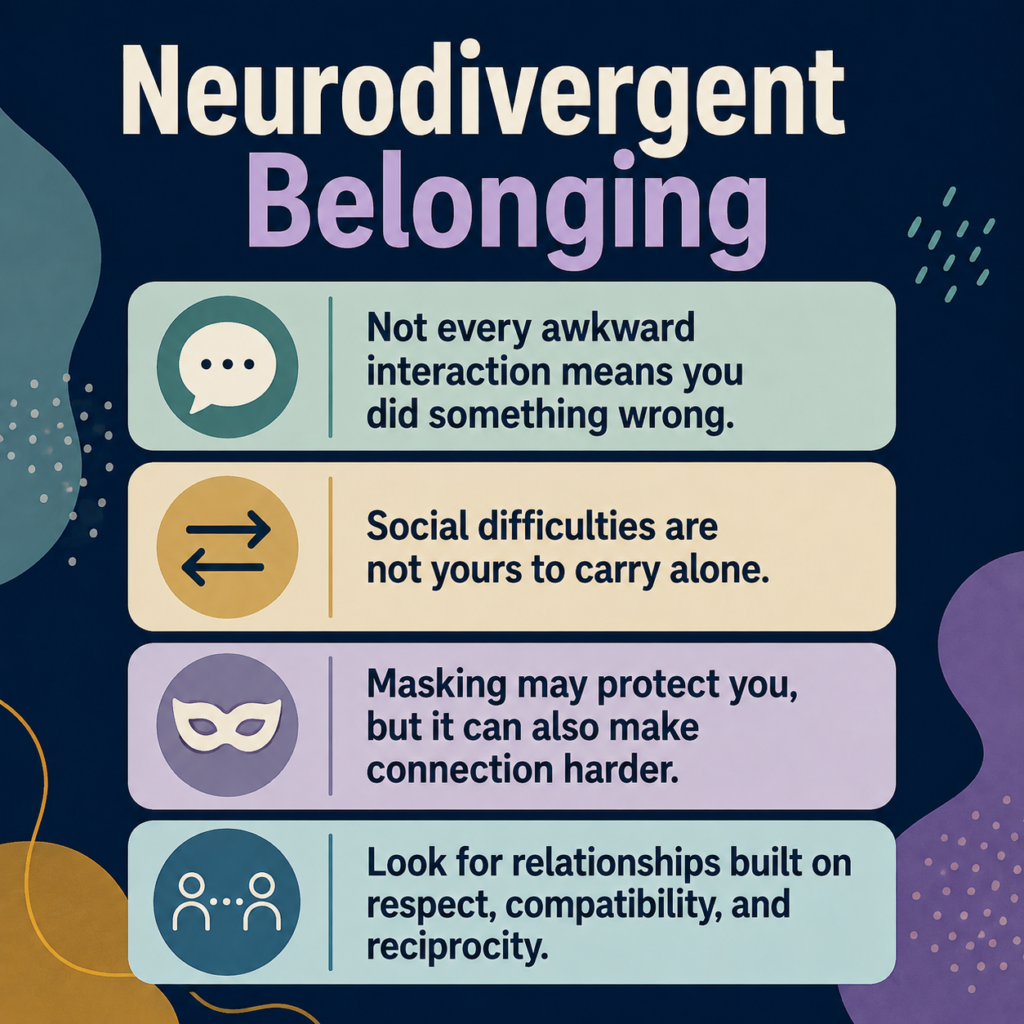
Start with someone who has shown they can respect a request. You don’t need to disclose more or drop protective habits around someone who repeatedly punishes you for expressing needs.
When a person accepts your limit, give yourself a chance to notice. You asked for something, and the relationship continued. You don’t have to follow that with an apology.
Wrap Up
Neurodivergent self-silencing can be difficult to notice when you’ve become used to checking what everyone else wants first. Making room for your own needs starts with considering them before you commit.
The next time you feel yourself saying yes automatically, give yourself a moment. You may still choose yes, but you’ll have had a chance to include yourself in the decision.
When do you find it hardest to say what you need?
Essy Knopf is a therapist who likes to explore what it means to be neurodivergent and queer. Subscribe to get all new posts sent directly to your inbox.