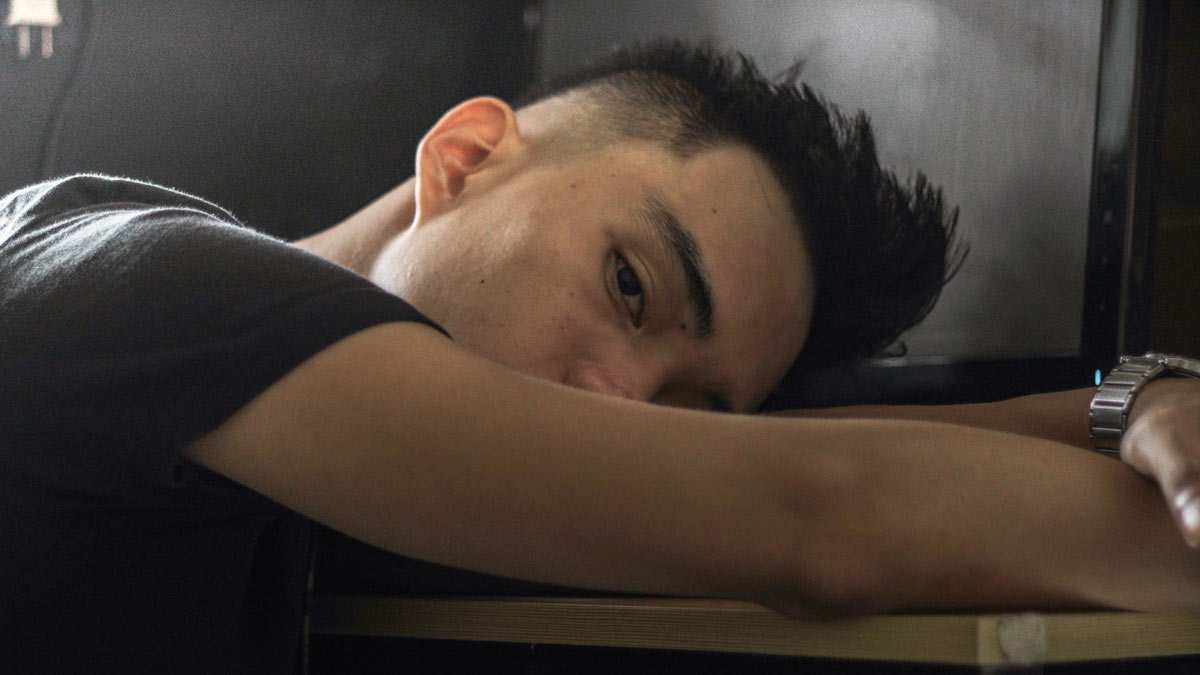
When your brain hits “buffering”: Understanding SES bandwidth saturation in autistics and ADHDers

Essy Knopf SES bandwidth saturation
Reading time: 2 minutes

You’re talking to someone and suddenly can’t track what they’re saying. Or you’re bouncing between tabs, reminders, and conversations, and everything just… collapses.

If you’re neurodivergent (ND), this may be something more specific than stress. It’s what I call SES bandwidth saturation—a full system overload across your sensory, executive, and social processing capacities.

Like a Wi-Fi network clogged by too many devices, your brain starts buffering. Sometimes, it crashes altogether.

What Is SES Bandwidth Saturation?

Every brain has a limit to how much it can process. But ND brains often fill up faster—especially when bombarded by:

  • Sensory input – loud sounds, bright lights, uncomfortable textures
  • Executive demands – planning, switching tasks, making decisions
  • Social effort – decoding tone, facial expressions, and social cues

Even one of these can be tiring. Stack them up, and that’s when SES bandwidth saturation hits. You’re not “too sensitive.” You’re maxed out.

Warning Signs of Overload

Saturation doesn’t look the same for everyone, but it often leads to:

  • Overload – irritability, anxiety, or focus struggles
  • Shutdown – going quiet, spacing out, or not being able to speak
  • Meltdown – emotional overflow, like crying, yelling, or panic
  • Burnout – long-term fatigue, numbness, or loss of motivation

This isn’t weakness—it’s your brain asking for relief.

Daily Life, Derailed

Let’s say you’re in a noisy café, trying to follow a conversation. You’re not just listening. You’re also filtering background noise, processing what’s being said, and keeping track of facial cues. That’s SES bandwidth saturation in action.

Or maybe you’re trying to finish a work task, but Slack pings, emails, and a surprise meeting derail your focus. Your executive bandwidth is spent before you even start.

The Hidden Cost: SES Debt

Even when you’re “holding it together,” you might be accumulating SES debt—a slow drain on your system that builds up over time.

Just like financial debt, if you don’t make regular deposits back into your energy reserves, eventually you hit zero.

Rebuilding Bandwidth: Strategies That Work

? Quick Restorative Practices

  • Micro-breaks between tasks
  • Noise-canceling tools for sensory downtime
  • Intentional pauses between social events

? Long-Term Recovery

  • Planned decompression – quiet weekends or tech-free evenings
  • Cognitive offloading – use to-do apps, alarms, sticky notes
  • Reclaim your rhythm – schedule breaks before you need them

Beyond Coping—Toward Recovery

Coping helps you survive the moment. Recovery helps you reset.

Scrolling endlessly or caffeinating through the day might seem helpful, but they won’t replenish your SES bandwidth. What will? Rituals of genuine rest. Boundaries that protect your capacity. And knowing it’s okay to say no.

Build a Bandwidth-Conscious Life

  • Ask for accommodations—even if it feels uncomfortable
  • Choose ND-friendly environments where possible
  • Make self-care non-negotiable—not a reward, but a requirement

Final Thoughts

You don’t have to “earn” rest. SES bandwidth saturation is real—and it deserves your attention. Recognizing the signs early is the first step toward sustainable self-care and avoiding burnout.

Does this sound familiar? How do you notice SES bandwidth saturation in your life—and what helps you recover?

Why neurodivergent people are more vulnerable to abuse

Essy Knopfneurodivergent abuse vulnerability
Reading time: 3 minutes

Have you ever wondered if someone’s treatment of you was really abusive—or if you were just “too sensitive”?

Were you told you misunderstood, even though every part of you was screaming something felt wrong?

If so, you’re not alone—and you’re definitely not imagining it.

Neurodivergent abuse vulnerability is not a question of weakness. It’s a question of how society shapes us to ignore our instincts, misread red flags, and accept mistreatment as normal.

Let’s break down why this happens—and how to start protecting yourself.

The Hidden Ways Ableism Makes Abuse Harder to Spot

Neurodivergents (NDs) often experience delayed processing. That means we might not recognize red flags in real time. When we do realize we were hurt, we’re already doubting ourselves: Was that abuse? Or am I just being dramatic?

This is one of the ways neurodivergent abuse vulnerability shows up—when we’ve been taught not to trust ourselves.

Years of ableist messaging tell us we’re too much, too rigid, too emotional. Our discomfort must be “wrong.” And so we hesitate, minimize, and blame ourselves.

Sensory Overload: A Predator’s Playground

Think about how hard it is to make a clear decision in a loud, chaotic environment. Now imagine trying to detect manipulation or boundary violations in that state.

This is where neurodivergent abuse vulnerability becomes especially dangerous. Our nervous systems go into shutdown mode, and our ability to self-advocate is compromised.

Unfortunately, some people take advantage of this. They push limits when they know we’re overwhelmed and unable to respond. Later, when we replay the interaction in our heads, we realize: That wasn’t okay.

But in the moment? We were just trying to survive the noise.

When Boundaries Were Never Modeled—or Respected

Many NDs grew up being scolded for expressing natural traits. Whether it was stimming, speaking honestly, or needing alone time, we were told it was “wrong.”

When our needs are consistently dismissed, we lose touch with what healthy boundaries even look like.

But if we’re not taught to recognize or defend our limits, it’s far easier for others to cross them. Especially when we’ve been conditioned to equate love with tolerating discomfort.

People-Pleasing Isn’t a Personality Flaw—It’s a Survival Strategy

Masking. Apologizing. Minimizing our needs. These could be perceived as weakness, but they’re actually protective responses to a world that’s made us feel like we’re hard to love.

And they feed into neurodivergent abuse vulnerability by making it easier for others to take advantage of our silence.

We may find ourselves staying in friendships, jobs, or relationships that feel wrong—but leaving feels like we’re being “mean.” So we stay. And hurt.

Why It’s So Hard to Leave

Even when we know we’re being mistreated, taking action can feel like climbing a mountain.

Fear of abandonment and internalized self-doubt all reinforce our vulnerability to abuse. We may even worry that we’re the ones at fault: What if I’m just not good at relationships?

NDs also face extra barriers when asking for help. We might struggle to explain what’s happening in a way others understand—or get dismissed because we don’t present our pain in neurotypical (NT) ways.

This is a major reason why many of us remain in unsafe situations longer than we should.

Essy Knopf neurodivergent abuse vulnerability

You Deserve Safety—Even If It Comes in Small Steps

If something feels off, it is. Your discomfort is valid, even if your reaction was delayed. You don’t have to explain away your gut feelings or rationalize mistreatment. Neurodivergent abuse vulnerability doesn’t mean your experiences are any less real—it just means the world hasn’t made it easy for you to respond in real time.

So what can you do when you’re not sure how to act, or when it all feels too overwhelming?

Start small. You don’t need to have it all figured out. Begin by writing things down—specific situations, words, or behaviors that made you feel uncomfortable. Documenting events helps counter self-doubt and gives you something to refer back to when your mind starts second-guessing itself.

Talk to a trusted friend. Sometimes we need another perspective to validate what we already suspect. Choose someone who listens without judgment and respects your pace. It’s okay if you can’t articulate everything perfectly—just naming that something feels wrong is enough.

Practice simple boundary-setting scripts. Boundaries don’t have to be confrontational. They can be calm, clear, and gentle. Try phrases like:

  • “I need a minute to think before I respond.”
  • “I’m not comfortable with that.”
  • “Can we talk about this another time?”
  • “That didn’t feel okay to me.”

You can even write these down or rehearse them ahead of time. Having a few go-to lines ready makes it easier to respond under pressure—especially when processing takes longer or emotions feel overwhelming.

And remember: just because you didn’t say something in the moment doesn’t mean your boundary wasn’t valid. Your reaction doesn’t have to be immediate to be real.

The goal isn’t to get it “perfect.” It’s to start honoring your own needs and instincts—bit by bit.

Have you ever struggled to trust your instincts in a relationship? What helped you start setting boundaries or recognizing mistreatment for what it was?

Neurodivergent perfectionism is a question of survival

Essy Knopf neurodivergent perfectionism
Reading time: 2 minutes

Have you ever felt like no matter how hard you try, it’s never quite enough?

Even when you’ve done something objectively well, a voice inside still whispers: “You could’ve done more.”

That voice is all too familiar for many of us living with neurodivergent perfectionism—and it’s not just self-criticism. It’s self-protection.

Why “Good Enough” Never Feels Safe

For autistics and ADHDers, perfectionism often develops as a survival response in a world that wasn’t designed for us.

From childhood, many of us were measured against neurotypical (NT) standards we were never meant to meet. “Why can’t you focus?” “You’re too sensitive.” “Stop being so literal.” Whether it came from teachers, peers, or even well-meaning family members, these messages taught us: if you’re not perfect, you’re a problem.

And so neurodivergent perfectionism takes root—not as ambition, but as armor.

Control in a World That Feels Unsafe

Many NDs experience cognitive rigidity—we thrive on predictability and struggle with uncertainty. For us, doing things exactly right can feel like the only way to maintain a sense of control in a chaotic, often confusing world.

For ADHDers, that might look like over-preparing to counteract time blindness. For autistics, it might mean scripting social interactions in advance to avoid saying the “wrong” thing. Underneath it all is anxiety—and the ever-present fear of rejection.

Rejection Sensitivity: The Hidden Driver

Many of us also experience rejection sensitive dysphoria (RSD), where even minor criticism feels unbearable. One wrong move, and the shame hits hard. So we triple-check everything. We strive for flawlessness, hoping it’ll shield us from disapproval.

And when people praise us for being meticulous or high-achieving? That praise reinforces the cycle. We learn that love, safety, and acceptance are conditional—earned only through perfection.

This is the painful heart of neurodivergent perfectionism: it’s not about being the best. It’s about being safe.

The Cost of Living This Way

Here’s the catch: perfectionism works—until it doesn’t. It keeps us afloat in hostile environments, but it also burns us out. It feeds into chronic anxiety, erodes our self-worth, and sometimes leads to obsessive-compulsive personality patterns where perfection becomes the only option.

And when we fall short of our own impossible standards? That inner critic shows no mercy.

We don’t just feel bad—we feel worthless.

Essy Knopf neurodivergent perfectionism

Unlearning Perfectionism Starts with Compassion

Healing from neurodivergent perfectionism means first understanding that you developed it for a reason. You were adapting to survive. But now, you get to choose something different.

Here are a few small steps to begin:

  • Reframe mistakes as experiments. “I tested an idea” or “I gathered data” is a lot kinder than “I failed.”
  • Name the perfectionist voice. Give it a silly name or persona. That helps create distance.
  • Challenge the assumptions. What would really happen if this wasn’t perfect?
  • Set limits. Cap your prep time. Remind yourself: done is better than perfect.
  • Build in rest. Perfectionism says “don’t stop.” But stopping is what keeps you going.
  • Redefine success. Let it mean balance. Self-trust. Fulfillment. Not constant output.

You’re Already Enough

Letting go of perfection doesn’t mean letting go of your standards. It means recognizing that your worth isn’t tied to your productivity or how flawlessly you perform.

Neurodivergent perfectionism may have helped you survive. But you don’t have to live in survival mode forever.

So here’s a question for you: What perfectionist habit are you ready to unlearn?

Neurodivergent overfunctioning isn’t strength—it’s a fast track to burnout

Essy Knopf neurodivergent overfunctioning
Reading time: 2 minutes

If you’re autistic or ADHD and constantly feel like you’re barely holding it together—or worse, that falling apart would mean losing everything—you’re not alone. Many neurodivergent (ND) people live in a near-constant state of overfunctioning, trying to meet neurotypical (NT) expectations while quietly falling apart inside.

Neurodivergent overfunctioning isn’t about being “strong” or “capable.” It’s about surviving in an ableist world. And it comes at a cost: your mental health, your energy, your self-worth.

And if that cost keeps rising, the result is often ND burnout: a deep, systemic kind of exhaustion that rest alone can’t fix.

Why We Overfunction

Autistics and ADHDers are wired differently from NTs, but that doesn’t stop society from expecting us to perform the same. We’re constantly hit with SES inputs: sensory, executive, and social stressors.

Busy environments. Demanding workplaces. Awkward small talk. These stressors pile up. And because accommodations are rare and understanding is rarer, we’re forced to compensate by:

  • Masking: Hiding our stims, our discomfort, our overwhelm.
  • Camouflaging: Pretending to follow social rules we don’t intuitively get.
  • Compensating: Using planners, scripts, and reminders just to “keep up.”

These strategies are meant to help us survive—but when they become chronic, they’re a fast track to neurodivergent burnout.

The Inner Toll: Shame, Anxiety, and Burnout

Over time, the act of constantly pushing ourselves becomes exhausting. What’s worse is that we often blame ourselves for struggling. That inner voice whispers: “You should be able to do this.” “Everyone else can manage—why can’t you?” “You’re not trying hard enough.”

This is ableist noise—a form of internalized ableism that turns societal expectations into relentless self-criticism. Left unchecked, it feeds complex PTSD, anxiety, depression, and eventually: burnout.

ND burnout is more than fatigue. It’s emotional numbness, executive dysfunction, a loss of identity. It’s waking up and feeling like your internal batteries are completely drained—and no amount of sleep or self-talk can bring you back online.

Essy Knopf neurodivergent overfunctioning

What Recovery Actually Looks Like

Stopping the cycle of neurodivergent overfunctioning doesn’t mean giving up. It means choosing yourself over performative survival.

Here are a few ways to begin:

  • Set boundaries around masking. Limit social time or work hours that require heavy compensation.
  • Prioritize recovery. After high-stimulation events, schedule downtime to rest and reset your nervous system.
  • Build safe spaces to unmask. Find one or two people who accept you as you are.
  • Challenge the inner critic. When you catch yourself saying “I should…”, ask: Who told me that? And is it actually true?
  • Practice self-compassion. You are not lazy, broken, or failing. You are surviving a system not built for you.

Recovering from neurodivergent burnout often requires unlearning years of shame, perfectionism, and self-surveillance. It’s not quick, but it is possible.

Give Yourself Permission to Be Human

If you’ve been overfunctioning for years, slowing down might feel like failure. It’s not. It’s resistance. It’s self-preservation.

You don’t have to earn your right to rest. You don’t have to perform neurotypicality to be worthy of love or success. Let yourself be good enough—messy, human, and whole.

You are allowed to stop running. You are allowed to take care of yourself. And you are absolutely allowed to protect yourself from burnout—because your well-being matters more than anyone else’s expectations.

Have you experienced neurodivergent burnout? What helps you come back to yourself when you’ve been overfunctioning for too long?

Dopamine farming: Why ADHDers and autistics chase stimulation

Essy Knopf dopamine farming
Reading time: 2 minutes

Ever find yourself doomscrolling before breakfast, binge-watching into the early hours, or disappearing into a hyper-fixation while life piles up around you? For many autistics and ADHDers, this isn’t just distraction—it’s survival.

We’re not chasing stimulation for fun. We’re farming for dopamine.

“Dopamine farming” is a term that describes our brain’s way of desperately trying to feel something. When dopamine is in short supply, as it often is in neurodivergent (ND) brains, executive functions like motivation, planning, and emotional regulation start to break down. That’s where reward deficiency syndrome (RDS) comes in.

What Is Reward Deficiency Syndrome?

RDS refers to a chronic imbalance in the brain’s dopamine system. And for those of us who are ND, this imbalance can be constant. Think foggy thinking, low motivation, restlessness, emotional dysregulation… or just a gnawing sense that something is missing.

Our brains crave reward, but struggle to generate it. So we look outward—for anything that might spark that elusive feeling of okayness.

How Dopamine Farming Shows Up

Whether it’s scrolling through social media, hyper-focusing on a new hobby, endlessly reorganizing your workspace, or impulse-buying stuff at 2 a.m., these aren’t random quirks. They’re our brains’ attempts at self-regulation.

Dopamine farming can look like:

  • Binge-watching YouTube or Netflix
  • Obsessive collecting or shopping
  • Compulsive eating
  • Jumping from one passion project to another
  • Using dating apps or social media to avoid feeling flat
  • Even workaholism, when it becomes a main source of stimulation

While these behaviors sometimes help us cope short-term, they often come with long-term consequences—like burnout, shame, or feeling even more depleted than before.

The Weekend Crash

A common experience among ADHDers and autistics is the “dopamine crash.” You reach the weekend with no plans, no structure…and suddenly you’re spiraling.

This isn’t laziness or failure. It’s withdrawal—from stimulation, from structure, from the dopamine hits that kept you afloat during the week.

In those moments, the need to engage in dopamine farming can become especially intense. And often, we feel shame about it—thinking we’re undisciplined, out of control, or broken.

You’re not. You’re just trying to function in a brain that’s under-resourced.

Essy Knopf dopamine farming

Healthier Ways to Farm Dopamine

Not all dopamine farming is harmful. In fact, when we lean into activities that nourish rather than drain us, we can build more sustainable coping strategies.

That might look like:

  • Diving into a passion project—with boundaries
  • Moving your body (even if it’s just a short walk or dance break)
  • Spending time in nature
  • Engaging your senses through texture, taste, or sound
  • Creating small rituals of novelty (new music, new recipes, new podcasts)

The goal isn’t to stop farming dopamine. It’s to farm more mindfully—so the crops you grow don’t leave you running on fumes.

You’re Not Broken. You’re Wired Differently.

Understanding the role of dopamine farming and RDS helps shift the narrative. Instead of asking “What’s wrong with me?” we can start asking: “What does my brain need right now?”

Sometimes it needs stimulation. Sometimes it needs rest. And sometimes, it just needs a bit of grace.

So if you’ve been judging yourself for bouncing between obsessions, for overindulging, for starting things and never finishing them—know this:

You are not a problem to be fixed. You’re a person doing your best to function in a world that doesn’t always recognize your wiring.

And that? That deserves a whole lot more compassion.

Have you noticed your own dopamine farming patterns? What helps you find balance?

Overcoming social anxiety as a neurodivergent

Essy Knopf social anxiety
Reading time: 2 minutes

If you’re autistic or an ADHDer, chances are you’ve struggled with social anxiety—not the average nerves before a party, but the kind that can feel paralyzing. The kind that makes you rehearse conversations in your head for days or avoid even basic interactions out of fear of rejection or judgment.

And that fear is often rooted in lived experience. For many neurodivergents (NDs), social anxiety isn’t just about being shy—it’s the result of a lifetime of being misunderstood, criticized, or excluded.

So we learn to mask. We mimic, edit, and shrink ourselves to appear more “normal.” But this constant self-monitoring takes a toll on our mental health and our self-worth.

Why Social Anxiety Runs So Deep for Us

ND brains often process social information differently. We may miss subtext, struggle with timing, or communicate in ways others find too blunt or too intense.

These differences can lead to painful interactions where our intentions are misunderstood. Instead of grace, we get correction—or worse, exclusion. Over time, these experiences hardwire fear into our brains. Social anxiety becomes a survival response.

Add rejection sensitivity into the mix, and even small missteps can feel catastrophic. It’s no wonder many of us would rather stay home than risk getting it wrong again.

The Trap of Avoidance

Avoiding social situations might feel like relief in the moment—but it also reinforces social anxiety over time. We lose the chance to practice, to build tolerance for discomfort, and to develop confidence.

The less we engage, the more our fears grow. Eventually, even a simple interaction—like saying hello to a cashier—can feel overwhelming. And when we do brave the social world, the pressure to get it “right” makes it hard to be present or authentic.

Essy Knopf neurodivergent social anxiety

Modulating Is Not Masking

What’s the alternative? Modulation. It means learning to adjust your communication style without erasing yourself. Think of it as picking up a second language—you don’t abandon your native tongue, but you gain a tool that helps you connect more effectively.

By practicing modulation, you can reduce social anxiety without compromising your authenticity. You’re not pretending—you’re expanding your skills.

Progress Starts Small

Start with manageable social risks. Say “hi” to someone in your building. Practice making small talk in a low-pressure setting. Try a new activity that nudges you out of your comfort zone—like a class or club—where socializing is structured and shared.

And yes, mistakes will happen. But with each interaction, you build resilience. You teach your brain that social anxiety doesn’t have to be a stop sign—it can be a signal to slow down, breathe, and move forward anyway.

Reclaiming Your Confidence

Every ND deserves to feel confident in their ability to connect. That doesn’t mean faking it forever—it means learning what works for you and giving yourself permission to show up, imperfectly but bravely.

So this week, try one small thing that challenges your social anxiety. And when you do, celebrate the effort—not just the outcome.

Have you found ways to manage social anxiety that work for you? Let me know in the comments.

Why loneliness hits neurodivergent people so hard—and what we can do about it

Essy Knopf neurodivergent loneliness
Reading time: 2 minutes

If you’re autistic or ADHD (or both), chances are you’ve spent much of your life feeling like an outsider in a world built for someone else. Maybe people called you weird. Maybe they punished your honesty or your quirks. Maybe they never even saw you for who you really were.

And maybe, like so many neurodivergents (NDs), you internalized all of it. Believing the problem was you.

The truth? It wasn’t.

Loneliness Is an Expression of Trauma, Not a Character Flaw

When you’re constantly told—directly or subtly—that you’re too much, too sensitive, too intense, too disinterested, or not enough of something else…you learn to hide. You might become hyper-independent, or retreat into perfectionism and workaholism to avoid the sting of rejection.

But loneliness isn’t just about being alone. It’s about being unseen. It’s about the longing for genuine connection and the fear that it may never come.

And that’s a trauma. Often a complex trauma, built over years of missed attunement from caregivers, bullying from peers, and chronic misattunement from society.

The Tyrannical Inner Critic

To survive, many of us develop an inner voice that warns us against risk. That tells us to stay silent. That mocks us when we try to be ourselves.

This voice—this tyrannical inner critic—may have once served to keep us safe. But now? It keeps us small. It keeps us alone.

And the worst part? It’s so familiar, we often believe it’s the truth.

When Work Becomes a Distraction from Pain

Many NDs (especially ADHDers) become hyper-productive. We chase dopamine through achievements, projects, passions. We tell ourselves: If I just succeed enough, maybe I’ll finally be worthy.

But that treadmill never ends. And when we step off it—even for a moment—we’re met with an overwhelming sense of emptiness. A question that cuts deep: If I’m not achieving…who even am I?

Essy Knopf neurodivergent loneliness

Finding Your Way Back

Healing from this kind of isolation doesn’t happen overnight. But it does happen.

It begins with understanding. With naming your neurodivergence. With reframing your past not as a failure, but as a survival story.

It continues with boundaries, assertiveness, and a slowly rebuilding sense of self-worth—one rooted not in how well you fit into a neurotypical mold, but in the intrinsic value of who you are.

And it blossoms in connection. Not with just anyone, but with people who see you, who get it, who don’t require you to shrink in order to be loved.

You’re Not Alone in Feeling Alone

You may feel like connection is out of reach. Like you’ve tried, and failed, too many times. But know this: You’re not broken. You’re not unlovable. And you’re not alone.

Many of us are walking this same road—quietly, invisibly. But we’re out here. And we’re looking for each other.

So keep reaching out. Keep showing up. And above all, be kind to the parts of you that learned to hide. They were only trying to keep you safe.

Have you struggled with loneliness or felt like you had to work extra hard just to feel “enough”? What helped you begin to reconnect—with yourself or with others?

Disability or difference? Rethinking autism and ADHD

Essy Knopf dynamic disabilities
Reading time: 2 minutes

Let’s start with a simple but surprisingly complex question: are autism and ADHD disabilities? The short answer? Sometimes.

Autism and ADHD are neurotypes, which means they describe different ways that brains can function. These differences come with strengths—but they also come with challenges. And those challenges? They can be disabling. Especially in a world that expects everyone to function the same way.

But here’s the thing: the disabling parts of neurodivergence often aren’t visible. And they don’t always show up consistently. That’s what makes them dynamic disabilities—disabilities that fluctuate based on environment, energy, stress, mental health, and sensory input.

When “Invisible” Becomes Overwhelming

You might look at an autistic or ADHDer and think, “They seem fine to me.” Maybe they hold down a job, make eye contact, or laugh at your jokes. But what you’re seeing might be the result of intense masking—camouflaging their struggles just to fit in.

What you don’t see is what happens after they leave the crowded room. The sensory overload. The executive dysfunction that makes basic tasks feel impossible. The social anxiety, burnout, or panic attacks that hit after holding it all together.

This is the reality of a dynamic disability. One moment, you can manage. The next, you’re shutting down completely.

Functioning labels like “high” and “low” can be misleading. They assume disability is fixed, when in truth, it shifts constantly.

You might be able to juggle work, study, and relationships for weeks—until a change in your routine or an unexpected stressor sends it all crashing down. Suddenly, things that felt manageable are now completely overwhelming.

You haven’t become less capable. You’re just running out of what I call “SES bandwidth”—your capacity for sensory, executive, and social input. Once that bandwidth is maxed out, your nervous system goes into overload. And you’re left running on fumes.

Essy Knopf dynamic disabilities

Internalized Ableism: The Real Disability?

Here’s a truth that doesn’t get said enough: Sometimes the hardest part of being neurodivergent isn’t the disability—it’s the shame.

So many of us have absorbed the belief that we’re “lazy,” “rude,” “too sensitive,” or “not trying hard enough.” These aren’t just self-critical thoughts—they’re echoes of a society that doesn’t understand us.

This is internalized ableism, and it’s a heavy burden. It can erode self-esteem, sap motivation, and leave us stuck in cycles of guilt and burnout.

Acceptance Isn’t Giving Up—It’s a Strategy

Living with a dynamic disability means learning to anticipate your needs and manage your energy—before you crash.

That might mean:

  • Carrying a sensory toolkit (earplugs, sunglasses, fidgets).
  • Setting up executive function supports like reminders and timers.
  • Saying “no” more often—and not apologizing for it.
  • Being selective about when and with whom you unmask.

It also means learning to say, “It’s not that I’m failing—it’s that I need support.” And that’s a powerful shift.

Final Thoughts

You didn’t choose to have a neurodivergent brain. And you didn’t choose to live in a world that wasn’t built for it. But you can choose to meet yourself with compassion. To recognize that your struggles are real. And to remind yourself that surviving in a neurotypical world takes immense courage.

Let’s stop pretending that masking means everything is okay. Let’s start recognizing autism and ADHD for what they are—neurotypes that can, and often do, create real disability in an ableist world.

But you’re not broken. And you’re not alone.

Do you relate to the idea of having a dynamic disability? How does it show up in your day-to-day life?

Taming the tyrannical inner critic: A guide for autistics and ADHDers

Essy Knopf tyrannical inner critic
Reading time: 3 minutes

If you’re autistic or ADHD and constantly hear a voice telling you you’re “not good enough,” you’re not imagining it—and you’re definitely not alone.

That voice? It’s your tyrannical inner critic (TIC). And for many neurodivergent (ND) folks, it’s an all-too-familiar presence.

The TIC is the voice that says: “You’re going to mess this up.” “Why even try? You always fail.” “People don’t like you. You’re too much.”

It never rests. It never encourages. It only tears you down—and convinces you it’s doing you a favor by doing so.

Where Does the TIC Come From?

The TIC is often a product of trauma—especially complex PTSD, which is sadly common among autistics and ADHDer.

Many of us grew up being told (directly or indirectly) that our needs were too much, our behavior was wrong, or that we simply didn’t belong. We learned to anticipate rejection. We started beating ourselves up before anyone else could.

The TIC tries to protect us by warning us away from risks and mistakes. But it does so by keeping us stuck in self-criticism, fear, and avoidance.

It whispers: “Stay small and safe. If you don’t try, you can’t fail.” But what it really steals is your chance to live fully.

How the TIC Shows Up in Neurodivergent Lives

The TIC isn’t just a voice in your head. It can shape your whole world.

? You avoid trying new things because you expect failure.
? You shrink your life down to what feels “safe.”
? You internalize ableist standards and feel like you’re never enough.
? You catastrophize even small mistakes—and spiral into shame.

The TIC thrives on old messages and assumptions. It echoes the voices of critical caregivers, teachers, peers, or society at large. And over time, it becomes so familiar that it feels like truth.

But it’s not the truth. It’s trauma.

You Are Not the TIC

Here’s the first thing to know: you are not your TIC.

It’s just one part of your inner experience—a scared, protective part. It’s not inherently evil or malicious. It’s just outdated. And it needs help learning a new role.

You don’t need to fight it. You can befriend it. Here’s how.

Essy Knopf tyrannical inner critic

7 Ways to Tame the Tyrannical Inner Critic

? Name it: Give your TIC a name or character. Naming creates distance and softens the power it holds.

? Label it: Try saying, “My TIC is telling me that I’m going to fail.” This helps separate the thought from you. You are the observer—not the thought.

?‍♀️ Practice mindfulness: Ground yourself in the present with mindful breathing or sensory awareness. This calms the nervous system and gives you space to respond, not react.

? Visualize a container: Imagine putting the TIC in a little box. Close the lid. When it pops back out (because it will), gently put it back in. Rinse and repeat.

✍️ Journal your TIC’s patterns: Writing down what your TIC says helps you spot its scripts—and challenge them over time.

?️ Talk back with compassion: Try saying: “Thanks for trying to protect me. I know you’re scared. But I can handle this now.” Self-kindness is your greatest tool here.

? Connect with others: The TIC thrives in isolation. Talking to someone—a friend, therapist, or community member—can put your fears into perspective and remind you you’re not alone.

What the Tyrannical Inner Critic Doesn’t Want You to Know

The TIC does not want you recognize that mistakes are human, and growth requires risk. But the truth is, you can handle discomfort—and come out stronger. And you are worthy, just as you are.

The TIC wants you to play it safe—but at the cost of your joy, your potential, your freedom.

When you meet the TIC with empathy, you take back your power. You don’t have to believe everything it says. You get to choose what voice guides your life.

Final Thoughts

You may never completely silence the tyrannical inner critic. That’s okay. The goal isn’t to get rid of it—it’s to learn how to live alongside it with self-compassion and boundaries.

Because when you do, something magical happens: The TIC gets quieter. Your true voice gets louder. And you begin to build a life based not on fear, but on hope.

Do you recognize your TIC? What name would you give it? How have you learned to cope with its criticism?

Neurodivergent cognitive rigidity: Why change feels so hard

Essy Knopf neurodivergent cognitive rigidity
Reading time: 2 minutes

“Why can’t you just be more flexible?”

If you’re neurodivergent (ND), you’ve probably heard that more than once. But what others call “rigid” is often cognitive rigidity—a form of mental patterning that offers predictability, structure, and safety in an unpredictable world.

And for many autistic and ADHD folks, that predictability isn’t optional. It’s survival.

What Is Cognitive Rigidity?

Cognitive rigidity refers to difficulty shifting thoughts, routines, or expectations. It can look like resisting last-minute changes, struggling to see alternate solutions, or clinging to specific preferences.

But for ND minds, cognitive rigidity is rarely about control for control’s sake. Instead, it’s a protective response to chronic stress, social shaming, sensory overload, and social unpredictability.

It’s what we lean on when everything else feels too much.

The Hidden Function of Rigidity

Rigidity often kicks in when we’re overwhelmed—especially when sensory, executive, and social bandwidths are maxed out.

NDs tend to process more stimuli and expend more energy navigating social expectations. Add in loud environments, unspoken rules, or unclear plans, and you’ve got a perfect storm.

Cognitive rigidity helps manage that chaos by narrowing the options. It simplifies things. It gives us a sense of control.

Rigidity Is Often a Response to Ableism

Let’s not ignore the broader context: we live in a world that centers neurotypical (NT) ways of thinking, communicating, and being. This structural ableism pressures us to adapt constantly—often at our own expense.

Cognitive rigidity becomes a defense against that pressure. A way to shield ourselves from environments that don’t consider our needs. A way to avoid judgment, sensory harm, or being misunderstood.

And who can blame us?

Essy Knopf neurodivergent cognitive rigidity

When Cognitive Rigidity Backfires

While cognitive rigidity can be protective, it can also become restrictive.

It can keep us from trying new things, connecting with others, or growing into spaces that might actually support us—if we had the chance to ease in at our own pace.

Avoidance tends to breed more anxiety. The more we resist change, the scarier it can feel. And the more our world shrinks, the more isolated we may become.

Building Gentle Flexibility (Without Forcing It)

Flexibility doesn’t mean abandoning your structure. It means expanding it—gently and intentionally.

Here’s how:

  • Start Small: Try a slight variation in your routine. Go to a familiar café but order something different. Change doesn’t have to be dramatic to count.
  • Plan for Recovery: Know that new experiences might drain you. Have supports in place—noise-canceling headphones, alone time, or a sensory toolkit.
  • Talk About It: Let others know that cognitive rigidity isn’t stubbornness—it’s strategy. When people understand your needs, they’re more likely to accommodate them.
  • Challenge Catastrophizing: Notice when your brain jumps to worst-case scenarios. Remind yourself: “This is unfamiliar, not dangerous.”
  • Practice Self-Compassion: You’re not broken for needing structure. You’re wise for learning how to protect yourself in a world that often doesn’t.

A New Way to Think About Cognitive Rigidity

What if we reframed rigidity not as a flaw—but as wisdom born from experience?

Because that’s what it is. It’s your brain doing its best to keep you safe.

And yes, while safety matters, so does the freedom to grow, connect, and explore.

If we can meet ourselves with gentleness, communicate our needs clearly, and take tiny, intentional steps toward flexibility, we can start to expand our world—without abandoning ourselves.

How does cognitive rigidity show up in your life?