

Neurodivergent unmasking explained: How to reclaim your authentic self

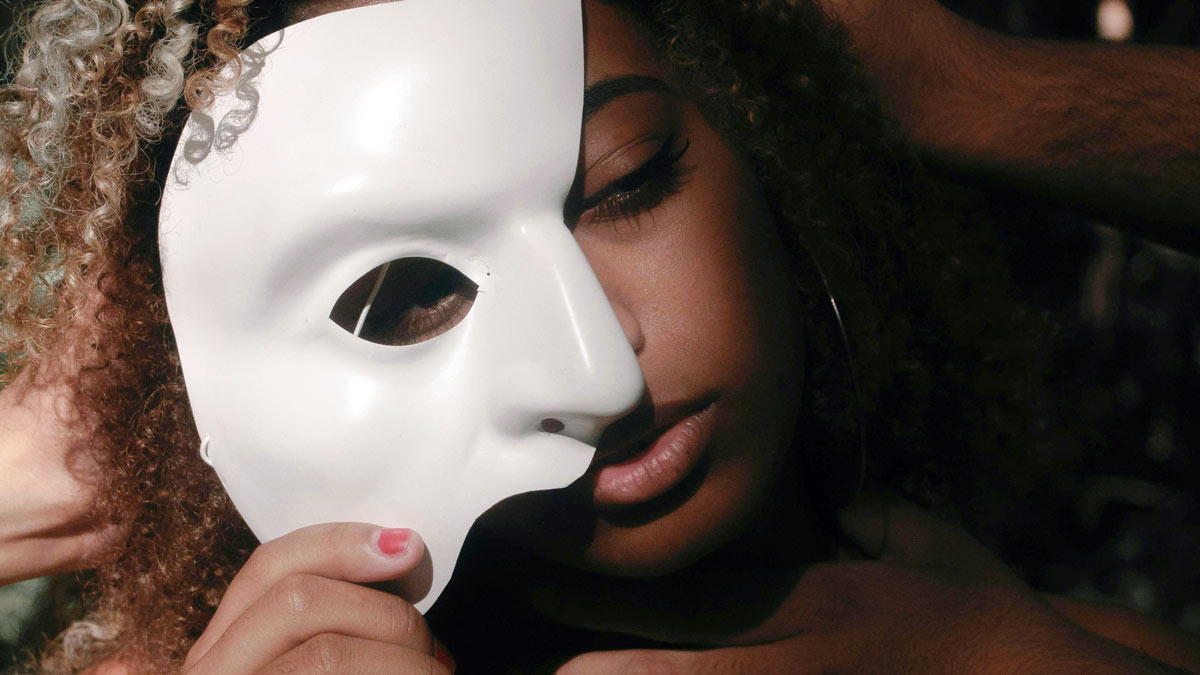
Have you ever come home from a day of socializing or work and felt like you’ve run a marathon, but can’t point to a single thing you did that would explain the exhaustion? That’s the invisible toll of neurodivergent unmasking.
For many of us—autistics, ADHDers, or both—the effort to “pass” in neurotypical (NT) spaces is constant, and it’s often a question of survival.
We adjust facial expressions, suppress our stims, rehearse small talk, and hold back our true thoughts. And we do it all hoping to be accepted, or at least not rejected.
What Exactly Is Neurodivergent Masking?
Neurodivergent unmasking refers to the process of consciously peeling back those layers of performance we’ve worn to fit in. Before we get to that point, most of us have spent years perfecting a system of:
- Masking: Actively hiding traits that might be seen as “weird” or “too much”, like avoiding eye contact, or suppressing repetitive movements.
- Camouflaging: Adopting NT social behaviors to blend in, like fake laughing, mirroring body language, or scripting conversations.
- Compensating: Creating workarounds for challenges, like using apps to manage focus or memorizing emotional cues to avoid social missteps.
Often, we don’t even realize we’re doing it. These strategies become second nature because we’ve been taught—directly or indirectly—that our natural way of being is “wrong.” Neurodivergent unmasking begins when we start to notice this pattern and wonder what life might feel like if we didn’t have to filter ourselves so constantly.
The Emotional Cost of Constant Performance
Most of us began masking in childhood. It is because we wanted to deceive others, but because we quickly learned that showing our true selves often led to confusion, ridicule, or rejection.
Over time, this disconnect between how we act and how we feel inside can create deep internal conflict. We may ask ourselves: “Do they like me, or just the version of me I’ve carefully curated?” “Am I succeeding because I’m skilled, or because I’ve gotten good at pretending?”
That’s where imposter syndrome sneaks in. Even when we’re praised, it can feel like the validation isn’t truly ours, because it was earned by the masked version of us, not the real one. Neurodivergent unmasking is about bridging that gap between performance and authenticity.
The Inner Critic: Masking’s Shadow Side
When masking becomes a lifestyle, it often feeds a harsh inner critic. This voice carries all the messaging we’ve internalized: “Tone it down.” “You’re too sensitive.” “Act normal.”
It tells us that being our full selves is risky. That we must shrink or reshape who we are to gain approval. But here’s the thing: no matter how much we adjust, that inner critic is never satisfied. It keeps moving the goalposts.
The journey of neurodivergent unmasking often involves confronting this critic, recognizing that its demands are rooted in ableism, not truth. And then slowly, deliberately, choosing to show up anyway.
Why Neurodivergent Masking Is So Exhausting
Masking is both emotionally draining and physically taxing. Each moment of self-monitoring consumes energy. We analyze how we’re coming across, anticipate reactions, and course-correct in real-time. It’s like running dozens of mental tabs at once.
By the end of the day, many of us are completely depleted. This constant drain is known as “ego depletion”: mental fatigue caused by sustained self-control. No wonder we often collapse into silence, isolation, or shutdown once we’re alone.
Neurodivergent unmasking allows us to start reclaiming that energy for ourselves.

So How Do We Start Unmasking?
Neurodivergent unmasking doesn’t mean being vulnerable everywhere, with everyone, all at once. It means being strategically authentic; choosing the people, spaces, and moments where you can safely let your guard down.
Start small:
- Allow yourself to stim in front of people you trust.
- Let your infodumping shine when your passion is welcomed.
- Practice saying things like, “I do things differently, and that’s okay.”
- Ask for accommodations. Like breaks, dimmer lighting, or quiet space.
Let go of the pressure to be palatable. You’re not “too much”. You’ve just been trying to exist in spaces that asked you to be less.
Rewrite the Narrative
We’ve been told we need to mask to succeed. But what if that’s a lie?
What if your unique brain, your intense passions, your honesty, and your deep empathy are actually your superpowers?
Neurodivergent unmasking is about rewriting the story. It’s about naming your strengths, honoring your needs, and making space for joy and connection on your own terms.
Think about the moments when you were fully yourself, and someone responded with warmth, not rejection. The times when your authenticity led to connection, creativity, or relief. Let those moments be your anchor.
Final Thoughts
Masking might have helped you survive. But you deserve to live.
Neurodivergent unmasking is a process, not a destination. It takes practice, safety, and support. But every time you show up as your real self, even just a little, you’re reclaiming your identity. You’re rewriting the rules.
Have you begun your own unmasking journey? What helped you feel safe enough to be more yourself, and what challenges are you still facing?
Essy Knopf is a therapist who likes to explore what it means to be neurodivergent and queer. Subscribe to get all new posts sent directly to your inbox.
© 2026 Ehsan "Essy" Knopf. Any views or opinions represented in this blog are personal and belong solely to the blog owner and do not represent those of people, institutions or organizations that the owner may or may not be associated with in professional or personal capacity, unless explicitly stated. All content found on the EssyKnopf.com website and affiliated social media accounts were created for informational purposes only and should not be treated as a substitute for the advice of qualified medical or mental health professionals. Always follow the advice of your designated provider.