
Misophonia and the sounds we can’t mute

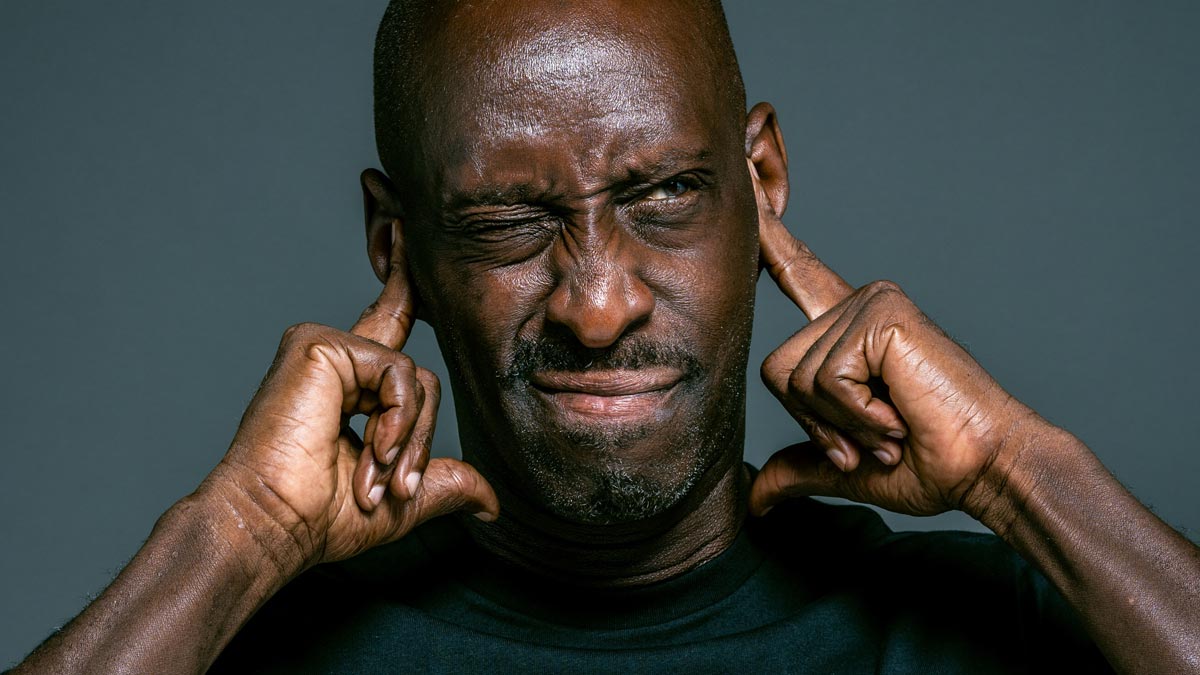
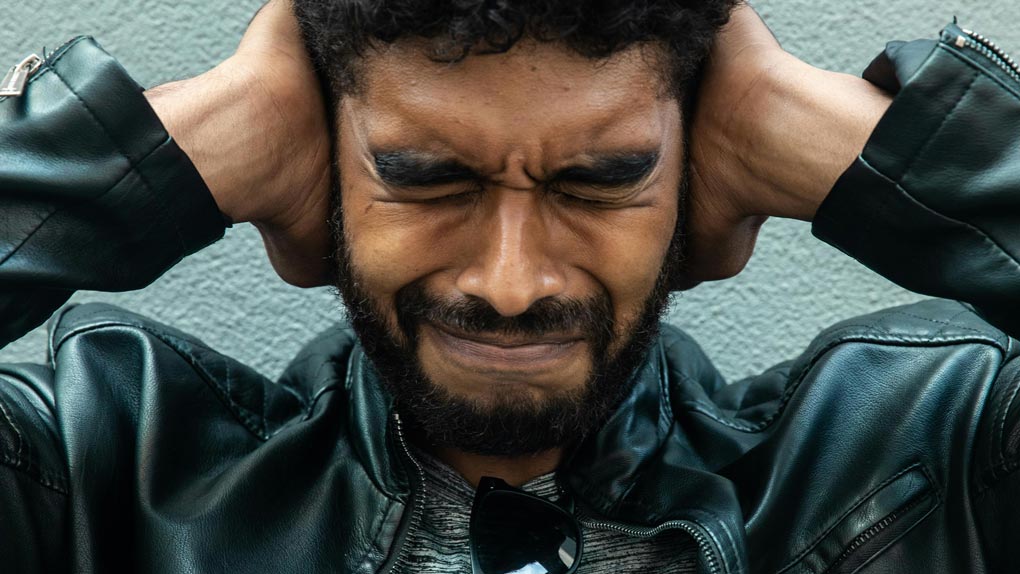
Someone beside you is chewing, and suddenly it’s all you can hear. You can’t follow the conversation, because each mouth sound makes you more tense. Nobody else seems bothered, which makes it awkward to explain why you need to move away.
For people with misophonia, everyday “human” sounds like these can make sharing a meal difficult. Online, those same noises are sometimes amplified for an audience that finds them relaxing.
Mukbang videos, which feature people eating on camera, bring that contrast into focus. Some viewers enjoy the chewing and lip-smacking. Others reach for the mute button.
I find myself caught between wanting to watch and wanting to switch them off.
When a sound provokes more than annoyance
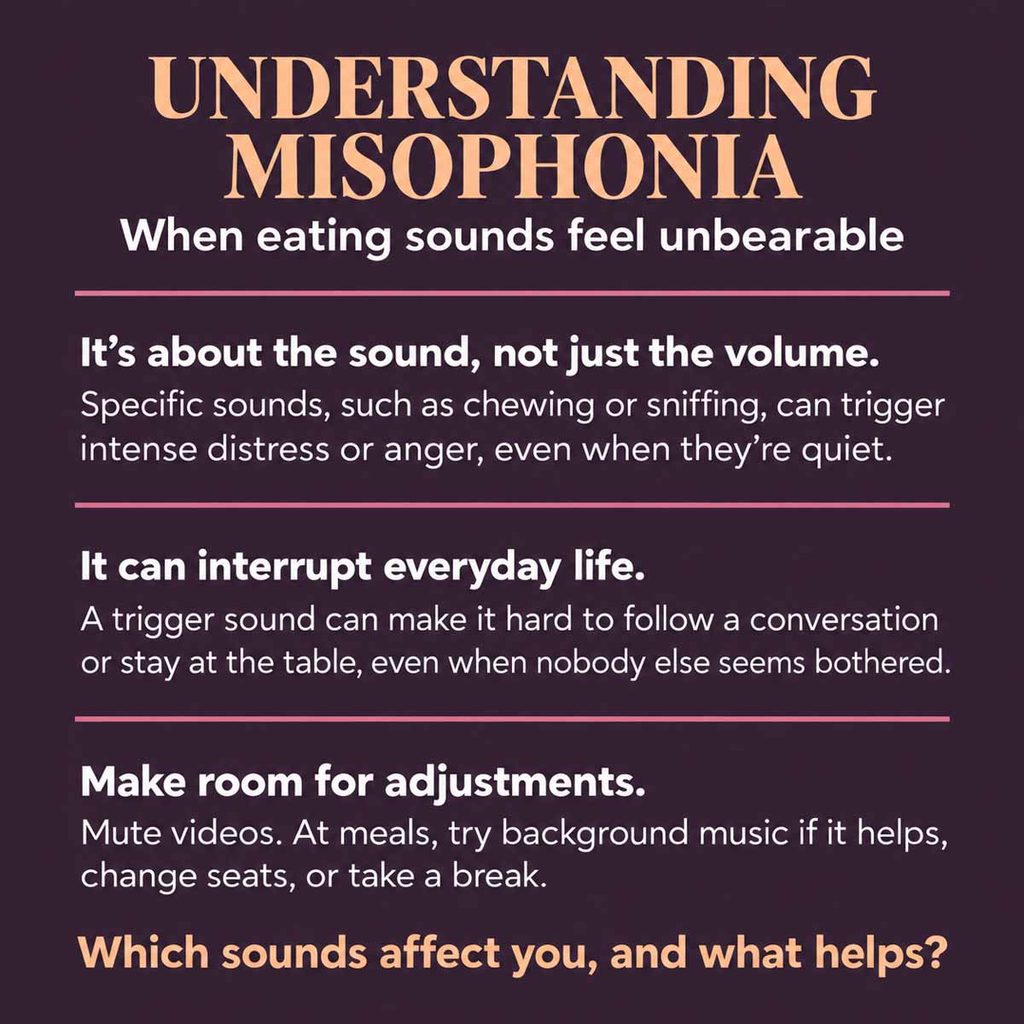
Misophonia involves a decreased tolerance for particular sounds or associated cues, which can bring on intense emotional and physical reactions. Eating sounds are common triggers, though the sounds that affect one person may not bother another. The reaction is tied to the specific sound or its meaning, rather than simply how loud it is.
For me, the response can feel like rage. I hear the noise and feel an immediate urge to get away from it.
Chewing and slurping are difficult, but other human sounds can catch me off guard too. Repeated sniffing, for example, or the little noises someone makes to show they’re listening. I can’t always predict what will bother me until it happens.
That can make social situations uncomfortable in ways other people don’t necessarily see. They’re carrying on with a conversation while I’m trying to manage my reaction to a sound they may barely notice.
A shared meal is harder to mute
The strange part is that I find the visual side of these videos genuinely appealing.
I love chewy textures. Mochi and gummies have a physical quality I enjoy, and watching someone bite into them brings that sensation to mind.
Online, I can switch off the sound. At a dinner table, it’s more complicated.
When I briefly lived in China, slurping was common in the dining settings I encountered. I found it difficult enough that I sometimes wanted to eat alone. The people around me were eating in a way that was ordinary for them, while I was becoming overwhelmed.
That distinction matters. My response to a sound doesn’t automatically mean the person making it is being inconsiderate. Equally, knowing they aren’t doing anything wrong doesn’t make the sound easier to tolerate.
It helps to explain what’s happening without making someone’s eating habits the entire problem: “Certain mouth sounds are really difficult for me. Could we put some music on?” Depending on the setting, sitting farther away or taking a short break might also make the meal more manageable.
Those adjustments won’t work for everyone. The point is to make a shared meal more comfortable without turning it into an argument about whether a sound should bother you.
Wrap Up
For now, the mute button lets me enjoy the mochi without the chewing. In person, I have to be more deliberate about what I need and how I communicate it.
I can want someone’s company and still struggle with the sound of them eating. Recognizing both makes it easier to explain why I might need an adjustment or a break.
Do you experience misophonia? How do you cope with it?
Essy Knopf is a therapist who likes to explore what it means to be neurodivergent and queer. Subscribe to get all new posts sent directly to your inbox.