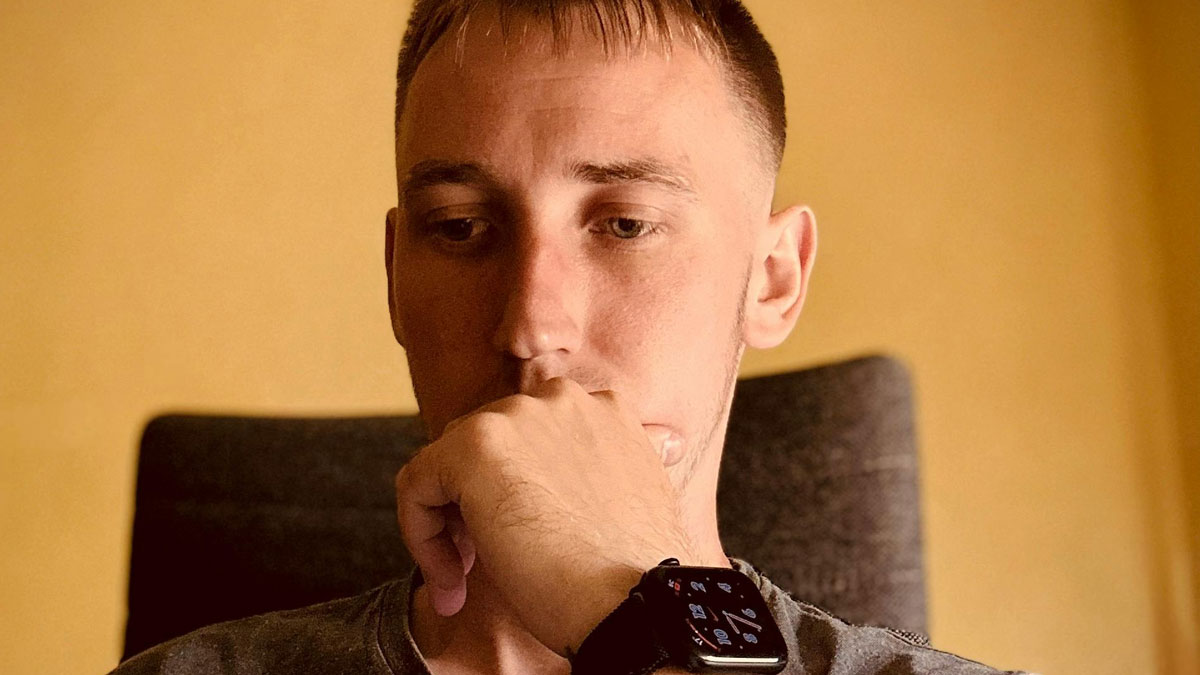
5 common autistic/ADHD survival strategies—and what to do instead

Essy Knopf neurodivergent thriving
Reading time: 4 minutes

Picture this: you’re in a meeting. You’ve been masking for hours. Someone cuts you off mid-sentence, and suddenly you freeze. Your thoughts spiral. Your chest tightens. You say nothing for the rest of the day.

If you’re autistic or ADHD, this might not be unusual.

You may have been told you’re “too sensitive” or “not resilient enough.” But what if those responses weren’t signs of weakness…. just survival strategies? And what if, instead of trying to “fix” yourself, you learned to support the version of you who had to develop them?

Let’s explore five survival strategies that helped many neurodivergents (NDs) get through an ableist world, and five empowering, neurodivergent thriving strategies to replace them.

Survival Strategy 1: Depressive Withdrawal

When the world feels punishing, pulling away can seem like the safest option. You stop sharing. You shut down emotionally. You tell yourself, “I’m the problem.”

Maybe your ideas were dismissed growing up. Maybe every time you showed emotion, someone told you to “get over it.” Over time, retreating felt like protection.

But this withdrawal—while once necessary—can isolate you. You become a ghost in your own life, locked in a cycle of silence and self-blame.

? Neurodivergent Thriving Strategy: Get Curious

Instead of collapsing inward, gently investigate. What emotion came up? What belief got triggered?

Try using the “DISCOVER” journaling tool:

  1. D – Detail the event (just the facts).
  2. I – Investigate the past. Has this happened before?
  3. S – Specify the shame script. (“I must be boring.”)
  4. C – Clarify where it started. (Negative feedback from teachers, parents, etc.)
  5. O – Observe your response. (Did you freeze, leave early, mask?)
  6. V – Verify shared responsibility. (It’s not all on you.)
  7. E – Evaluate your coping strategy.
  8. R – Reflect like a friend. What would you say to someone else in your shoes?

This self-inquiry is one of the most powerful neurodivergent thriving strategies. It builds awareness, not shame.

Survival Strategy 2: Denial, Rumination & Retaliation

Someone gives you feedback. You immediately feel cornered. Maybe you get defensive. Maybe you shut down, but the whole conversation loops in your head for days. You imagine comebacks. You analyze every word.

If you have been punished in the past for showing up as your authentic neurodivergent self, even mild criticism can feel threatening. Retaliation or obsessive rumination protects your sense of self.

But this strategy is heavy. It keeps you stuck in high-alert mode, replaying pain instead of resolving it.

? Neurodivergent Thriving Strategy: Ground Yourself

Use grounding techniques to return to the present. One neurodivergent thriving strategy here is the “5-4-3-2-1” method:

  1. 5 things you see
  2. 4 things you can touch
  3. 3 things you hear
  4. 2 things you can smell
  5. 1 thing you can taste

Pair this with deep breathing (inhale 4, hold 4, exhale 6). Let yourself land in your body. When your nervous system feels safe, you can process experiences without spiraling.

Survival Strategy 3: Fantasy & Hyper-Fixation

Reality gets overwhelming, so you disappear—into your favorite show, a special interest, or an imagined world where you have full control.

Fantasy offers an escape from overstimulation and emotional exhaustion. Hyper-fixations bring joy—but they can also become cocoons that disconnect us from real needs and relationships.

? Neurodivergent Thriving Strategy: Share the Fire

Your passion is a gift. With the “SPARK” method, you can channel it into connection:

  1. S – Select a passion (insects, video games, poetry).
  2. P – Pursue community (Reddit, Discord, fan spaces).
  3. A – Articulate your story. Why does this interest matter to you?
  4. R – Reflect on how it feels to share.
  5. K – Keep the flame alive. Your joy deserves to be seen.

Of all the neurodivergent thriving strategies, this one is about reclaiming belonging. You don’t have to hide what lights you up.

Essy Knopf neurodivergent thriving

Survival Strategy 4: Making Restitution

You over-apologize. You explain yourself 10 times. You feel like you always have to “make up for” being too much, or not enough.

This often stems from internalized ableism. You were taught that your way of being was wrong. So you hustle for worthiness by fixing, pleasing, over-functioning. But you’re not defective. You don’t need to earn acceptance.

? Neurodivergent Thriving Strategy: Speak Your Truth

Try using the “DEAR MAN” technique to ask for what you need:

  • D – Describe the situation clearly.
  • E – Express your feelings without blame.
  • A – Assert your need.
  • R – Reinforce how it will help.
  • M – Mindfully stay on point.
  • A – Appear confident.
  • N – Negotiate, if needed.

Example: “I get overwhelmed after family gatherings. I’d love a short quiet break before we jump into games. It helps me stay present and connected.”

This is one of the most liberating neurodivergent thriving strategies, because it rewrites the belief that your needs are a burden.

Survival Strategy 5: Masking, Camouflaging & Compensation

You smile when you’re uncomfortable. You mimic “normal” behavior. You hide your sensory needs, your stims, your real self, as you don’t feel safe to be fully seen.

Many autistics and ADHDers mask just to survive. But long-term masking erodes your sense of identity and leads to exhaustion and burnout.

? Neurodivergent Thriving Strategy: Modulate

Modulating is about adjusting for context while staying authentic. Use the “TWEAK” method:

  • T Take stock: What’s your default communication style?
  • W – Weed out one element to shift.
  • E – Execute the tweak in a low-stakes setting.
  • A – Assess how it felt. Did it help or hinder?
  • K – Keep refining. Build a “social toolbox.”

Modulation is a sustainable neurodivergent thriving strategy that offers flexibility without self-erasure.

Final Thoughts

Every one of these survival strategies was born from wisdom. From your body trying to protect you. From your brain navigating a world that wasn’t designed with you in mind. But surviving is not the same as thriving.

You don’t have to perform anymore. You don’t have to over-function, retreat, or hide. You are allowed to take up space, ask for what you need, and build a life that actually supports your neurotype.

So take a breath. Choose one small shift. And remember, thriving isn’t about becoming someone else. It’s about finally becoming yourself.

What survival strategies have you recognized in yourself? And which neurodivergent thriving strategies are you beginning to explore?

Why gatekeeping makes autism and ADHD diagnosis harder—and more harmful

Essy Knopf neurodivergence diagnosis gatekeeping
Reading time: 3 minutes

Have you ever felt like your life might finally make sense, if only someone would really listen?

Maybe you’ve spent years navigating anxiety, executive dysfunction, or sensory overwhelm, only to be told: “That’s just stress.” “You’re too articulate.” “You’re doing fine.” “That’s not what autism or ADHD looks like.”

It’s invalidating. It’s disorienting. And, unfortunately, neurodivergence diagnosis gatekeeping is more common than it should be.

Diagnosis Isn’t Just a Process—It’s a Privilege

Let’s be real: getting a formal autism or ADHD diagnosis as an adult? It’s often inaccessible, unaffordable, and emotionally exhausting.

Here’s a hypothetical examples.  After waiting 18 months to see a specialist, Maya, a 32-year-old nonbinary artist, was dismissed within 20 minutes because she “maintained eye contact” and held down a job. Never mind her lifelong struggles with shutdowns, masking, executive dysfunction, and sensory distress. She left the appointment feeling more confused—and more invisible—than ever.

If you don’t fit the narrow mold clinicians are taught—based on white, cis male children who are hyperactive or overtly socially “awkward”—you may be misdiagnosed or brushed off entirely. Especially if you’re a woman, trans, nonbinary, or a person of color.

The result? A system that gatekeeps care and invalidates experience—one that tells neurodivergents (NDs), “You’re not enough like them to count.”

Neurodivergence diagnosis gatekeeping not only delays support—it also chips away at trust in providers, and in ourselves.

The Cost of Being Undiagnosed

Before many even reach the point of seeking a diagnosis, they’ve often already paid a heavy emotional toll.

You might have grown up hearing that you were lazy, disorganized, too sensitive, too intense—or just “too much.” You may have spent your life trying to be “better,” without realizing that your struggles were linked to undiagnosed autism or ADHD.

Maybe you’ve over-apologized in every conversation, fearing you’ve said the “wrong thing.” Maybe you’ve masked every instinct to stim, fidget, or interrupt, just to “pass.” Or maybe you shut down emotionally after another failed attempt at socializing left you burnt out.

This is internalized ableism. It happens when our unmet needs are pathologized, and we start believing the problem lies with us—not with a world that wasn’t built for our brains.

Clinicians frequently miss neurodivergence because they diagnose only what they expect to see: anxiety, depression, trauma, maybe even borderline personality disorder. This is called diagnostic overshadowing, and it disproportionately affects people outside the “default” mold—especially those with intersectional identities.

So when people finally do seek answers, gatekeepers often tell them some version of: “This isn’t real.” “You’re overreacting.” “Try harder.”

The Power—and Controversy—of Online Self-Discovery

So where do people turn when the formal systems fail them?

More and more, it’s online spaces—where NDs are sharing their lived experiences with raw honesty and nuance. Social media, blogs, and forums have become places of recognition, healing, and validation.

Online, one person might realize their lifelong “clumsiness” was motor skills difference related to autism. Another might discover that their chronic procrastination and overwhelm weren’t moral failings—they were ADHD-related executive dysfunction.

Community validation can be life-changing. Many describe the moment they first encountered ND  voices and thought, “Wait. That’s me.” It was the first time their story had ever made sense.

Critics of self-diagnosis argue it’s reckless or misinformed. But most people who self-identify do so carefully—after years of struggling without answers, devouring research, and often feeling gaslit by medical professionals.

Self-diagnosis, in this context, isn’t attention-seeking. It’s a form of survival. It’s what happens when neurodivergence diagnosis gatekeeping makes formal recognition unattainable.

Essy Knopf neurodivergence diagnosis gatekeeping

What If We Let Neurodivergent People Define Themselves?

Here’s a radical thought: What if we trusted people to know themselves?

Gatekeeping assumes there’s one “real” way to be autistic or ADHD. But neurodivergence doesn’t look one way. It can be masked. It can be internalized. It can show up in emotional meltdowns or in frozen shutdowns, in hyperfixation or burnout.

What if the focus shifted from proving you’re “disabled enough” to simply being understood?

We don’t need fewer people claiming their neurodivergence—we need systems that meet people where they’re at. That means:

  • Training clinicians in diverse neurodivergent presentations
  • Reducing wait times and cost barriers
  • Listening to lived experiences as valid data
  • Creating neuroaffirming, not pathologizing, care models

The current system doesn’t just gatekeep diagnoses. It gatekeeps recognition, healing, adaptation, and transformation.

Final Thoughts

If you’ve ever wondered whether you might be autistic or ADHD, but were met with doubt or dismissal—know this: your experiences are valid, and you deserve support.

Gatekeeping helps no one. But sharing our stories? That changes everything.

Have you experienced gatekeeping around autism or ADHD diagnosis? What helped you move forward—or what support do you still need?

Neurodivergent unmasking explained: How to reclaim your authentic self

Essy Knopf neurodivergent unmasking
Reading time: 3 minutes

Have you ever come home from a day of socializing or work and felt like you’ve run a marathon, but can’t point to a single thing you did that would explain the exhaustion? That’s the invisible toll of neurodivergent unmasking.

For many of us—autistics, ADHDers, or both—the effort to “pass” in neurotypical (NT) spaces is constant, and it’s often a question of survival.

We adjust facial expressions, suppress our stims, rehearse small talk, and hold back our true thoughts. And we do it all hoping to be accepted, or at least not rejected.

What Exactly Is Neurodivergent Masking?

Neurodivergent unmasking refers to the process of consciously peeling back those layers of performance we’ve worn to fit in. Before we get to that point, most of us have spent years perfecting a system of:

  • Masking: Actively hiding traits that might be seen as “weird” or “too much”, like avoiding eye contact, or suppressing repetitive movements.
  • Camouflaging: Adopting NT social behaviors to blend in, like fake laughing, mirroring body language, or scripting conversations.
  • Compensating: Creating workarounds for challenges, like using apps to manage focus or memorizing emotional cues to avoid social missteps.

Often, we don’t even realize we’re doing it. These strategies become second nature because we’ve been taught—directly or indirectly—that our natural way of being is “wrong.” Neurodivergent unmasking begins when we start to notice this pattern and wonder what life might feel like if we didn’t have to filter ourselves so constantly.

The Emotional Cost of Constant Performance

Most of us began masking in childhood. It is because we wanted to deceive others, but because we quickly learned that showing our true selves often led to confusion, ridicule, or rejection.

Over time, this disconnect between how we act and how we feel inside can create deep internal conflict. We may ask ourselves: “Do they like me, or just the version of me I’ve carefully curated?” “Am I succeeding because I’m skilled, or because I’ve gotten good at pretending?”

That’s where imposter syndrome sneaks in. Even when we’re praised, it can feel like the validation isn’t truly ours, because it was earned by the masked version of us, not the real one. Neurodivergent unmasking is about bridging that gap between performance and authenticity.

The Inner Critic: Masking’s Shadow Side

When masking becomes a lifestyle, it often feeds a harsh inner critic. This voice carries all the messaging we’ve internalized: “Tone it down.” “You’re too sensitive.” “Act normal.”

It tells us that being our full selves is risky. That we must shrink or reshape who we are to gain approval. But here’s the thing: no matter how much we adjust, that inner critic is never satisfied. It keeps moving the goalposts.

The journey of neurodivergent unmasking often involves confronting this critic, recognizing that its demands are rooted in ableism, not truth. And then slowly, deliberately, choosing to show up anyway.

Why Neurodivergent Masking Is So Exhausting

Masking is both emotionally draining and physically taxing. Each moment of self-monitoring consumes energy. We analyze how we’re coming across, anticipate reactions, and course-correct in real-time. It’s like running dozens of mental tabs at once.

By the end of the day, many of us are completely depleted. This constant drain is known as “ego depletion”: mental fatigue caused by sustained self-control. No wonder we often collapse into silence, isolation, or shutdown once we’re alone.

Neurodivergent unmasking allows us to start reclaiming that energy for ourselves.

Essy Knopf neurodivergent unmasking

So How Do We Start Unmasking?

Neurodivergent unmasking doesn’t mean being vulnerable everywhere, with everyone, all at once. It means being strategically authentic; choosing the people, spaces, and moments where you can safely let your guard down.

Start small:

  • Allow yourself to stim in front of people you trust.
  • Let your infodumping shine when your passion is welcomed.
  • Practice saying things like, “I do things differently, and that’s okay.”
  • Ask for accommodations. Like breaks, dimmer lighting, or quiet space.

Let go of the pressure to be palatable. You’re not “too much”. You’ve just been trying to exist in spaces that asked you to be less.

Rewrite the Narrative

We’ve been told we need to mask to succeed. But what if that’s a lie?

What if your unique brain, your intense passions, your honesty, and your deep empathy are actually your superpowers?

Neurodivergent unmasking is about rewriting the story. It’s about naming your strengths, honoring your needs, and making space for joy and connection on your own terms.

Think about the moments when you were fully yourself, and someone responded with warmth, not rejection. The times when your authenticity led to connection, creativity, or relief. Let those moments be your anchor.

Final Thoughts

Masking might have helped you survive. But you deserve to live.

Neurodivergent unmasking is a process, not a destination. It takes practice, safety, and support. But every time you show up as your real self, even just a little, you’re reclaiming your identity. You’re rewriting the rules.

Have you begun your own unmasking journey? What helped you feel safe enough to be more yourself, and what challenges are you still facing?

Neurodivergent perseveration: When your brain won’t let go (and how to gently take the wheel back)

Essy Knopf neurodivergent perseveration
Reading time: 3 minutes

Ever feel like the hardest part of a tough situation… is what your brain won’t stop saying afterward? That, my friend, is neurodivergent perseveration.

It’s the sticky, looping thought patterns that so many of us—especially those who are autistic and ADHD—struggle with. Even after the moment has passed. Even when nothing went “wrong.”

Let’s unpack what neurodivergent perseveration actually is, how it shows up in everyday life, and what you can do when your brain just won’t let something go.

What Is Neurodivergent Perseveration?

It’s a kind of overthinking that doesn’t feel optional. It’s when your brain gets stuck on a thought, a fear, or a regret, and keeps chewing it over long after it’s helpful—or relevant.

It’s common in both autistic and ADHD brains, and often shows up as:

  • Worry – Spiraling about the future. “What if I mess this up?” “What if they hate me?” It’s that anxious preparation that never leads to peace—only paralysis.
  • Rumination – Replaying the past. “Why did I say that?” “I always ruin things.” It’s not reflection—it’s self-punishment.
  • Obsessions – Intense mental fixations. These are sharp, intrusive thoughts that won’t quit, whether or not they’re based in reality.

Sometimes they overlap, feeding into each other in a cycle that feels impossible to break. That’s the heart of neurodivergent perseveration.

Everyday Examples

  • You go on a date, and afterward your brain spirals with analysis: “Did I talk too much? Did they think I was weird?” → Rumination
  • You get neutral feedback at work and suddenly you’re spiraling: “They hate me. I’m going to be fired.” → Obsessive thinking
  • You’re about to leave the house but can’t stop worrying: “What if I forget something? What if I crash?” → Worry

For many autistics, perseveration can focus on social interactions, routines, or sensory experiences. For ADHDers, it often revolves around inaction, overstimulation, or rejection sensitivity.

But however it shows up, the result is the same: your brain is working overtime, and you’re not getting anywhere.

Why Does Neurodivergent Perseveration Happen?

Because your brain is trying to protect you. It’s looking for certainty, for control, for relief from shame or fear. But it’s like revving your engine in neutral—it makes a lot of noise but doesn’t take you anywhere.

What makes it so tricky is that it feels productive. You think, “If I just figure this out, I’ll feel better.” But you rarely do. That’s because the real driver isn’t logic—it’s emotion. Often, shame is riding shotgun.

Shame Is the Fuel That Keeps the Loop Spinning

If you’ve been misunderstood, corrected, or rejected your whole life, your brain starts expecting that kind of treatment. So any small mistake becomes a “confirmation” that you are too much, too different, too wrong.

Neurodivergent perseveration becomes a punishment loop. Not because you need to learn from something—but because you feel like you need to pay for it.

That’s not learning. That’s trauma.

Essy Knopf neurodivergent perseveration

What Helps Break the Perseveration Loop?

Let’s be real: you probably won’t stop all neurodivergent perseveration. But you can start unhooking from it. Here’s how:

? Schedule a “Worry Window”

Set a 10-minute slot each day. That’s when you’re allowed to spiral. The rest of the day? You tell your brain: “Not now. Later.” Simple, powerful, and surprisingly effective.

? Log the loop

Use a 3-part journaling tool:

  • Trigger: What started the thought?
  • Type: Is it worry, rumination, or obsession?
  • Reality check: What’s a gentler, more grounded perspective?

? Ground yourself

Try 5-4-3-2-1 sensory grounding. Or splash your face with cold water. Or sing. Or walk. Anything that reminds you: “I’m here. I’m okay. I’m safe.”

? Co-regulate

Ask a trusted friend: “Can I run something by you? I think I’m spiraling.” Even one reassuring response can interrupt the pattern. You don’t have to do this alone.

? Engage with life

Neurodivergent perseveration thrives in inactivity. So do something—even if it’s small. Bake. Color. Move. Send a meme. Let life anchor you.

The Heart of It: Your Brain Thinks Perseveration Will Keep You Safe

It says: “If I think this through enough, I can avoid the pain.” But often, the overthinking is the pain.

So here’s your gentle reminder: You don’t need to control every variable. You don’t need to think your way out of every fear.

You can pause. You can breathe. You can say: “Thanks, brain. I know you’re trying to help. But I’ve got this now.”

That’s the real antidote to neurodivergent perseveration—not perfection. Not certainty. But self-trust.

Have you noticed patterns of perseveration in your own life? What helps you unhook from the loop—or what makes it harder?

“Why can’t you?”: Breaking free from internalized ableism as an autistic or ADHDer

Essy Knopf internalized ableism
Reading time: 3 minutes

Have you ever asked yourself, “Why can’t I just be normal?”

If you’re autistic or an ADHDer, chances are you’ve heard this question—whether from others or inside your own head—far too often. Each time, it chips away at your sense of self, your right to exist as you are.

Let’s talk about that voice. Let’s talk about internalized ableism.

Where It Begins: The “Why Can’t You” Script

Many of us remember exactly when it started—early school days, perhaps, when a teacher asked why we couldn’t sit still, or a classmate mocked how we played or spoke. These moments don’t just sting in the moment; they shape the stories we tell ourselves for years to come.

The world asked, “Why can’t you…?” And we began to wonder, “Is something wrong with me?”

TIC: The Tyrannical Inner Critic

Eventually, the outer criticisms become internalized. A voice forms—harsh, relentless, always on alert for any mistake. This voice, which author Pete Walker calls the tyrannical inner critic (TIC), becomes a survival strategy.

“If I beat myself up first,” it says, “it won’t hurt as much when others do.”

But here’s the truth: self-criticism doesn’t protect you. It only deepens the wound. TIC isn’t your inner wisdom—it’s internalized trauma.

You’re Using the Wrong Yardstick

Society measures us using neurotypical (NT) expectations: how we socialize, focus, learn, behave. But this yardstick wasn’t built for us. It ignores the rich inner lives, creative passions, and unique ways of thinking that define many autistics and ADHDers.

No wonder we feel “less than.” We’re being held to a standard we were never designed to meet.

Masking: Surviving, Not Thriving

To protect ourselves, we often mask—camouflaging our traits to appear more “acceptable.” But masking is exhausting. It can leave us burnt out, disconnected, and unsure where the mask ends and we begin.

And when the mask slips, we risk rejection—not just in the form of bullying, but the colder pain of ostracism.

The Invisible Pain of Being Ignored

For many, the silence hurts more than the insults. Being ignored, left out, or dismissed triggers deep feelings of unworthiness. Research shows that even brief ostracism lights up the same pain centers in the brain as physical injury.

This can feed a cycle of rejection sensitive dysphoria (RSD)—where even small slights feel catastrophic. It’s not a weakness. It’s a trauma response.

Perfectionism and the Shame Spiral

To avoid criticism, we may strive for perfection—at work, in relationships, even in therapy. We do all the “right” things and still wonder, “Why can’t I just get better?”

But healing isn’t linear. Especially when we’ve spent a lifetime absorbing messages that we’re broken.

Start Here: Reframe the Question

Instead of asking “Why can’t I?”, try this: “What barriers have I faced that made this harder for me?” “What does my neurotype need that hasn’t been supported?” “Why should I have to mask, bend, and twist myself to fit a world that refuses to bend even a little?”

These are truth-telling questions. They shift the blame away from you—and back where it belongs: on a system that wasn’t built for ND minds.

Unmasking, Boundary-Setting, and Self-Compassion

Healing involves risk. Unmasking, setting boundaries, asking for accommodations—it’s vulnerable work. But it’s also freeing.

You’re allowed to stim. To need quiet. To ask for help. You’re allowed to say “no“.

Each small act of self-acceptance is a rebellion against internalized ableism.

Essy Knopf internalized ableism

And That Guilt?

Guilt for needing support? For being “different”? That’s not yours to carry.

Would you call a ramp user “a burden” for not climbing stairs? No? Then your sensory aids, executive functioning supports, and communication needs aren’t a burden either.

You Are Not Broken

Next time that voice whispers, “Why can’t you…?”—pause. Take a breath. And say:

“Because the world wasn’t built for me. Because I’ve had to survive in spaces that ignored my needs. Because I’ve masked and hustled and overcompensated just to get by. And above all, because I am not broken.”

Final Thoughts

You are not alone in this. Many of us are on this journey—peeling back layers of shame, questioning old narratives, and learning to stand in our truth.

So I invite you to ask yourself today: Where did “Why can’t you?” show up in your life? What belief did it plant in you? And what can you do—today—to start unlearning it?

Maybe it’s writing that belief down and crossing it out. Maybe it’s advocating for one small need. Maybe it’s letting yourself rest, unpunished.

Every step is a step toward liberation.

What’s one “Why can’t you…?” message you’ve internalized—and how are you beginning to rewrite it?

When neurodivergent advocacy triggers backlash

Essy Knopf neurodivergent advocacy
Reading time: 4 minutes

When marginalized people begin to speak openly about their lived experiences, society doesn’t always welcome them with open arms. We’ve seen this pattern repeat across history—from civil rights to feminism, to LGBTQ+ rights. Neurodivergent advocacy is no exception.

As autistics and ADHDers gain more visibility and speak out about the need for accommodations, acceptance, and systemic change, a familiar backlash emerges. Some of it is obvious and hostile, but much of it is subtle: skepticism, condescension, and defensiveness.

Why does this happen? And how do we push forward when the world pushes back?

Why Do People Hate When Neurodivergents Speak Up?

Everyday Ableism Isn’t Always Loud

Let’s be clear: everyday ableism often hides in plain sight. It isn’t always slurs or outright discrimination. Sometimes, it sounds like:

  • “Everyone’s a little ADHD.”
  • “You just need to try harder.”
  • “Why should you get special treatment?”

These comments may seem minor on the surface, but they reflect a deep discomfort with neurodivergent advocacy. They suggest that our struggles are imagined, exaggerated, or selfishly imposed on others.

What they reveal is a belief that neurodivergents (NDs) are asking for too much simply by requesting fairness—not privilege, just equity.

Why Advocacy Feels Like a Threat

Ezra Klein, in Why We’re Polarized, wrote: “The simplest way to activate someone’s identity is to threaten it.” When you’re used to the world being built for you, the suggestion that it might need to change can feel like a personal attack.

That’s what makes neurodivergent advocacy so triggering for some: it challenges long-held assumptions about what’s “normal,” who gets to succeed, and who deserves support. When we say “flexible work hours help ADHDers thrive,” someone hears “your rigid system might not be fair.”

To those used to default inclusion, that can feel like exclusion.

Common Reactions, Deeper Meanings

Let’s break down some typical backlash comments and the ableist logic behind them:

“ADHD didn’t exist 50 years ago.” This assumes that if something wasn’t widely diagnosed, it didn’t exist. It ignores decades of misdiagnosis, stigma, and lack of research. ADHD has always existed; we’re just now creating language for it.

“You just need more discipline.” This frames executive dysfunction as laziness or a lack of character. It erases the neurological basis of ADHD and autism, and puts all the responsibility on the individual to conform.

“If you can walk and talk, you’re not disabled.” This is gatekeeping. It defines disability by what is visible or severe, denying support to those with invisible or fluctuating challenges.

“Why should workplaces bend over backwards for you?” This treats accommodations as burdens, not bridges. It ignores how environments already cater to neurotypical (NT) needs by default.

“Stop promoting victimhood.” This attempts to silence advocacy by framing it as weakness. But recognizing systemic barriers isn’t about being a victim—it’s about seeking equity.

The Roots of the Discomfort

Much of this backlash stems from identity threat and a zero-sum mindset. When we ask for accommodations, people often assume we’re asking for more than they get—rather than different supports to achieve the same outcomes.

This discomfort is amplified when the challenges we face are invisible. People believe what they can see. So, if you’re autistic or ADHD and high-masking, your need for support is easily dismissed.

Some of the pushback even comes from within the ND community. Internalized ableism and the pressure to prove we’re “high-functioning” can lead some to criticize others for being “too sensitive” or “too demanding.”

Reframing Accommodations

We need to shift the narrative around what accommodations actually are.

Accommodations are not about getting special treatment. They’re about removing barriers. Just like a ramp doesn’t give wheelchair users an unfair advantage—it just lets them enter the building—noise-canceling headphones or deadline flexibility give NDs equal access to success.

And here’s the thing: accommodations often help everyone. Flexible work options, clearer communication, and reduced sensory overload benefit NTs, too.

Essy Knopf neurodivergent advocacy

How to Respond Without Burning Out

Facing backlash is exhausting. Here are some ways to navigate it without losing yourself:

  • Name the pattern: Recognize when you’re dealing with systemic bias, not personal failure. That awareness alone can be grounding.
  • Set boundaries: You don’t owe strangers your emotional labor. Block, mute, and step away when needed.
  • Protect your energy: Choose when to educate. Not everyone is open to learning. But for those who are, a simple resource or perspective shift can make a difference.
  • Connect with community: Find others who understand. Online spaces, group chats, forums—they can be powerful sources of validation.
  • Keep advocating, your way: Whether that means sharing your story, pushing for change at work, or just setting boundaries in your personal life—it all counts.

For Our Neurotypical Allies

If you want to support neurodivergent advocacy, here’s how to start:

  • Listen. Really listen. Without defensiveness.
  • Check your bias. Ask where your discomfort might be coming from.
  • Uplift ND voices. Share their work, advocate alongside them.
  • Interrupt ableism. If someone says something harmful, speak up.

Final Thoughts

Backlash is painful. But it’s also a sign that neurodivergent advocacy is making waves. Discomfort can be the first stage of change.

If you’ve faced comments that made you doubt your worth, know this: you are not the problem. You are simply asking to exist on your own terms, in a world that wasn’t designed with you in mind.

Keep going. Keep speaking. Keep making space. Because the more we show up, the more the world has to stretch.

And that, in the end, is how real change happens.

Have you experienced pushback when advocating for your needs? What kinds of comments have stuck with you—and how did you respond?

Everyday ableism: The subtle judgments that harm autistics and ADHDers

Essy Knopf everyday ableism
Reading time: 3 minutes

Have you ever been called “too sensitive,” “lazy,” or “distracted” for reacting to things others barely notice? If so, you might already know what everyday ableism feels like.

As an autistic and ADHD therapist, I want to shed light on how these everyday interactions—often unintentional—can deeply impact neurodivergent (ND) folks. From casual comments to institutional policies, ableism often shows up as subtle, socially accepted bias. And when left unchecked, it chips away at our confidence, connection, and even our sense of worth.

Let’s explore how ableism operates in quiet but powerful ways—and how we can begin to shift the narrative.

What Is Everyday Ableism?

Everyday ableism refers to the daily attitudes, expectations, and social norms that favor neurotypical (NT) ways of thinking and behaving. It’s often rooted in neuronormativity—the assumption that there’s a single “right” way for a brain to work—and it places the burden of change on ND folks to conform, not on society to accommodate.

Here are some common forms of hidden bias:

  • Neuroentitlement: “If I can do it, so can you.”
  • Neurosuperiority: “Your way of thinking is wrong or weird.”
  • Neuronegativity: Framing ND traits as flaws rather than differences.
  • Neuroprivilege: The unearned advantages of aligning with NT norms.
  • Neuroconformity: Pressuring NDs to hide their natural behaviors to be accepted.

These ideas seep into our language, our schools, our workplaces—and they shape how people respond to things like fidgeting, direct communication, or time blindness.

Real-World Examples of Everyday Ableism

To illustrate just how subtle this can be, here are some ND experiences that often get misunderstood:

  • A student who skips small talk and jumps into deep conversation is seen as rude.
  • A colleague who wears noise-canceling headphones is labeled “unfriendly.”
  • An ADHDer who loses track of time is called unreliable—when they’re actually hyper-focused.
  • An autistic person who gives honest feedback is considered “too blunt.”
  • A child who stims (rocks, chews, flaps) is told to “act normal” rather than supported.

In each case, the ND behavior serves a purpose—whether it’s emotional regulation, communication, or focus. The problem isn’t the trait. It’s the interpretation.

Why Misunderstandings Happen

Humans naturally use mental shortcuts to make sense of others’ behavior. This often leads to something called correspondence bias—where we assume someone’s actions reflect their personality, not their context.

So, when someone fidgets, we assume they’re distracted. When they speak bluntly, we assume they’re rude. We rarely stop to ask, “What might this behavior mean for them?”

This is where the double empathy problem comes in: while ND folks may struggle to understand NT cues, NTs often struggle to understand ND cues. Yet only NDs are expected to change.

The Cumulative Impact of Ableism

Over time, these misunderstandings and microaggressions build up. ND people are punished for being themselves—socially, academically, professionally. Many begin to internalize these criticisms and believe: “I’m lazy. I’m too much. I’ll never be good enough.”

This is called internalized ableism, and it’s a quiet killer of self-worth.

Essy Knopf everyday ableism

What Can We Do Differently?

To dismantle everyday ableism, we need to shift both mindset and environment.

Normalize Neurodivergence

Start from the belief that autism and ADHD are natural, valid ways of existing—not flaws to be corrected. Validate differences, rather than minimizing or pathologizing them.

Embrace Universal Design

Instead of reactive accommodations, build systems that proactively support a range of needs. Think: flexible deadlines, quiet workspaces, clear communication formats.

Check Your Assumptions

Before labeling someone’s behavior, pause. Ask: “Is there another way to interpret this?”

Amplify ND Voices

Whether online or offline, center the lived experiences of ND folks. Let them define their identities, set their boundaries, and lead the conversation.

Educate Without Exhausting Yourself

If you’re ND, you don’t have to be everyone’s teacher. Sometimes a quick explanation or casual comment can open minds. Other times, silence is self-care.

You Deserve Understanding—Not Judgment

Being neurodivergent is not a flaw. It’s a way of experiencing the world that brings creativity, honesty, depth, and insight.

Let’s work to create a world where NDs don’t have to justify their needs—or hide who they are to belong.

Have you experienced everyday ableism? What’s helped you navigate it?

The neurodivergent egg crack: When everything finally makes sense

Essy Knopf neurodivergent egg crack
Reading time: 2 minutes

Have you ever had a sudden, overwhelming realization that reframes your entire life?
A moment when the chaos, the confusion, the “why am I like this?” finally meets an answer?

That’s the neurodivergent egg crack moment. And for many autistic and ADHD adults, it’s a life-altering shift.

It’s the realization that your struggles were never personal failings. They were neurodivergent (ND) traits misunderstood by a world that wasn’t built with your brain in mind.

Before the Crack

Before the neurodivergent egg crack, life often feels like walking through fog with no map.

You know something’s off—you’ve always known—but no one ever explained why things felt so hard. Why you couldn’t manage your time, or why socializing felt like a performance, or why certain sounds made your whole body tense.

You were labeled instead. Lazy. Rude. Difficult. Forgetful.

And when enough people tell you that, you start to believe it. You develop a relentless inner critic. You mask. You hide. You pretend. Because you think that’s what it takes to survive.

When the Egg Finally Cracks

Then one day, something shifts. A phrase in a TikTok video, a meme that hits way too close to home, a late-night Google search that spirals into self-discovery.

The neurodivergent egg crack doesn’t always come with fanfare. Sometimes it’s a whisper. Sometimes it’s a breakdown. But it changes everything.

Suddenly, you can trace your life through a new lens. The childhood quirks. The school struggles. The deep exhaustion from “simple” tasks. All of it starts to make sense.

Relief, Rage, and Rewriting the Story

The first thing many feel after the neurodivergent egg crack is relief. You’re not alone. You’re not imagining it. There’s a name for what you’ve lived.

But that relief is often followed by grief. Grief for the years spent not knowing. Grief for the blame you carried that was never yours.

And then, often, anger. Anger at the systems that missed it. At the people who misunderstood you. At how different things could have been if someone—anyone—had seen you clearly.

This is all part of the process. The neurodivergent egg crack doesn’t just reveal your identity. It calls you to begin healing.

Essy Knopf neurodivergent egg crack

Learning to Live Unmasked

You begin to unlearn the shame. The perfectionism. The need to prove your worth.

You stop asking, “How can I be more normal?” and start asking, “What do I actually need?”

Maybe that looks like taking a sensory break instead of powering through. Maybe it means saying no to social events without guilt. Maybe it means finding a therapist who gets it—or joining a community that does.

Whatever it looks like, the neurodivergent egg crack is a turning point. The beginning of a new chapter where you don’t have to apologize for who you are.

You Are Not Broken

You were never broken. You were never failing. You were doing the best you could in a world that didn’t speak your language.

Now, you get to rewrite the script. You get to honor your needs. You get to be fully, unapologetically you. And that? That’s the real power of the neurodivergent egg crack.

I’d love to hear what your neurodivergent egg crack moment looked like for you—what changed, what healed, and what you’re still figuring out. Drop your story in the comments. You never know who it might help.

How C-PTSD shows up in neurodivergents

Essy Knopf neurodivergent trauma
Reading time: 3 minutes

If you’re neurodivergent (ND), such as autistic or ADHD, and feel like you’re always bracing for impact, even when things seem “okay”—you’re not just anxious. You may be living with complex PTSD, or C-PTSD—a form of trauma that too often goes unrecognized.

Unlike a single traumatic event, C-PTSD stems from ongoing harm: chronic invalidation, exclusion, or being constantly told you’re “too much” or “not enough.”

It’s the trauma of existing in a world not built for your brain—and being expected to hide it just to survive.

What C-PTSD Looks Like in Neurodivergents

C-PTSD in NDs often presents differently from what mainstream trauma narratives portray. You might not recognize it as trauma at all. But here are some signs that ND trauma may be shaping your life:

  • A Sense of Impending Doom: You’re always on edge, even when life is calm.
  • Negative Exceptionalism: You feel uniquely broken—like your flaws are beyond fixing.
  • Invisible Shame: You carry an internal belief that if people really knew you, they’d leave.
  • Wounded Healer Syndrome: You pour into others while silently believing your own pain doesn’t matter.
  • Perfectionism and People-Pleasing: You chase approval to avoid criticism or abandonment.
  • Hypervigilance and Burnout: You overanalyze every interaction, always on guard.
  • Avoidance and Shutdowns: You freeze, avoid, or isolate to avoid potential harm.

If these feel familiar, this may not be a personality issue. It’s the long-term impact of ND trauma.

Why Neurodivergents Are Especially Vulnerable

C-PTSD in autistics and ADHDers often originates not from one single incident, but a thousand tiny ones:

  • Masking to be accepted
  • Being told your needs are “too much”
  • Relational wounds from peers, teachers, and even family
  • Navigating ableist systems without support

All of these experiences compound over time. You learn to distrust your body, your needs, and your reality. That’s neurodivergent trauma.

Healing Is Not Linear—It’s Layered

The desire to heal often collides with the fear of what healing might uncover. You want to feel, but it doesn’t feel safe. You want connection, but it feels like a risk.

This is the paradox of neurodivergent trauma: the push and pull between craving authenticity and fearing it will cost you everything.

Healing begins when we understand that this inner conflict is protective, not pathological. Your brain and body adapted to survive. And now, they need help feeling safe enough to let go.

Essy Knopf neurodivergent trauma

So What Helps?

Healing from neurodivergent trauma isn’t about fixing yourself—it’s about reclaiming the parts of you that were never broken.

  • Validate Your Experience. Your pain is real—even if it’s invisible to others. You don’t need permission to name it.
  • Practice Unmasking Gently. Let yourself stim. Set a boundary. Use your real voice. Healing lives in these small moments of self-honoring.
  • Reframe the Inner Critic. That harsh voice in your head learned its tone from survival. You can teach it a new one.
  • Find Neurodivergent-Affirming Community. Healing happens in safe relationships. Seek spaces where your authenticity is welcome.
  • Support Your Nervous System. Use grounding techniques, sensory tools, and daily structure to help your body feel more regulated.
  • Rest Like You Deserve To. Because you do. Rest isn’t laziness—it’s resistance against a world that taught you to hustle for your worth.

You Deserve to Heal

Neurodivergent trauma is real. It’s systemic. And it’s survivable.

You were never too sensitive, too weird, or too much. You were adapting the best way you could in a world that rarely offered you safety.

Now, you get to build that safety for yourself—one moment, one breath, one boundary at a time.

Which part of this post hit home for you? Have you noticed any of these patterns in your own life—or found ways to start healing from neurodivergent trauma?

Neurodivergent alexithymia: Why feeling feelings is so hard

Essy Knopf neurodivergent alexithymia
Reading time: 3 minutes

Have you ever felt like your emotions don’t make sense? Like you’re either totally disconnected from them—or they crash in all at once, leaving you overwhelmed and unsure how to cope?

If you’re autistic or ADHD, this isn’t just a you-thing. It’s a neurodivergent (ND) thing. And one common culprit? Alexithymia—aka “feeling blindness.”

Alexithymia means having trouble recognizing, understanding, or naming emotions. You might not even realize you’re feeling something until it explodes out of you—or leaves you shut down.

And when you don’t understand your emotions, it’s really hard to set boundaries, advocate for yourself, or feel truly connected in relationships.

But here’s the good news: emotional awareness is a skill. One that can be learned—with gentleness, patience, and the right support.

Why Emotions Are Especially Hard for Autistic and ADHD Folks

Some researchers think alexithymia is part of being ND. Others believe it develops because we’re constantly expected to perform neurotypical (NT) emotional norms that don’t reflect how we actually feel.

We’re often told we’re “too much” when we express big emotions… and “too cold” when we don’t express enough. It’s a no-win situation.

So what do we do? We learn to suppress. To mistrust our own emotional signals. To disconnect—until those signals feel like a foreign language we forgot how to speak.

This isn’t weakness. It’s survival. But survival-mode isn’t the same as thriving. When we can’t identify our emotions, we might:

  • Feel sudden waves of anger or sadness with no idea why
  • Doubt our emotional reactions and wonder, “Am I just overreacting?”
  • Avoid expressing feelings for fear of being misunderstood or losing control

Why You Need Your Emotions (Even If They Scare You)

If emotions are this confusing, why not just think through everything logically?

Because emotions aren’t just noise. They’re data.

Anger can mean a boundary’s been crossed. Sadness signals loss. Anxiety might be prepping you for the unknown. These signals tell you what you need.

If you can’t name what’s going on inside, you can’t speak up. You can’t advocate. And you can’t fix what’s hurting.

This emotional disconnect doesn’t just affect you—it affects your relationships. If others can’t tell what’s going on with you, they may misread you as distant or unfeeling, even when you’re craving connection.

It’s like driving with no dashboard. You’re still moving, but you have no idea if your car is overheating—or if it’s about to break down.

What Is Neurodivergent Alexithymia?

The word literally means “no words for emotions.” It’s not a diagnosis—it’s a trait. And it’s super common among NDs. Around 50% of autistics experience it, and around 42% of ADHDers do too.

It’s often tied to impaired interoception—your ability to feel what’s happening in your body. And it might show up as emotional blankness: your face stays neutral even when you’re feeling something, and emotional storms: intense, sudden floods of feelings that leave you reeling.

Some researchers even link neurodivergent alexithymia to trauma responses. If you’ve been rejected, misunderstood, or shamed for showing emotions, you may have learned to shut them off to protect yourself.

Think of a river. In a healthy state, your emotions flow like water—sometimes fast, sometimes slow, but always moving.

But trauma or chronic stress can freeze that river. You go numb. Everything feels flat. And if you start to thaw? That river rushes in like a flood—fast, messy, terrifying.

That’s why the goal isn’t to unleash all your feelings at once. It’s to restore the flow—gently, safely, and with tools that help you regulate instead of drown.

Essy Knopf neurodivergent alexithymia

Emotion + Logic = Intuition

You don’t have to choose between being a “logical” person or an “emotional” one.

When you learn to integrate both, you access your intuition—the deep, felt knowing that guides values-aligned decisions.

Maybe the job looks perfect on paper, but something feels off. That’s your intuition.

Maybe a friend keeps crossing your boundaries, but you can’t quite explain why you feel uncomfortable. That’s your intuition too.

Suppressing your emotions cuts you off from this inner compass. But tuning into it? That’s how you start living in alignment with you.

  1. Pause and Process: If you feel something you can’t name, stop. Breathe. Let it sit. Don’t push it away.
  2. Use Emotion Wheels or Sensation Charts: These help you move beyond the big three (mad, sad, scared) to more nuanced feelings.
  3. Journal in Third Person: Try writing about yourself like a character. “They clenched their fists. Their chest felt tight.” This adds distance—and safety.
  4. Engage Your Wise Mind (from DBT): Ask: What does my logical mind say? What does my emotional mind say? What’s the balanced perspective?
  5. Practice Expressing Emotions Clearly: Try a simple structure: “I feel ___ when ___. I need ___.” Example: “I feel anxious when plans change suddenly. I need a heads-up so I can adjust.”

Final Thoughts

If you experience neurodivergent alexithymia and you’ve spent years feeling disconnected from your emotions, please hear this: you are not broken.

Your brain was protecting you. But you can learn to reconnect. You can learn to trust your emotions again—and build a life that actually fits who you are.

Start small. Be patient. And remember: emotions aren’t your enemy. They’re your data, your intuition, your inner guide.

If you’re on your own journey with neurodivergent alexithymia, I’d love to hear about it in the comments. What helps you feel more connected to your emotions?