

Neurodivergent overfunctioning isn’t strength—it’s a fast track to burnout

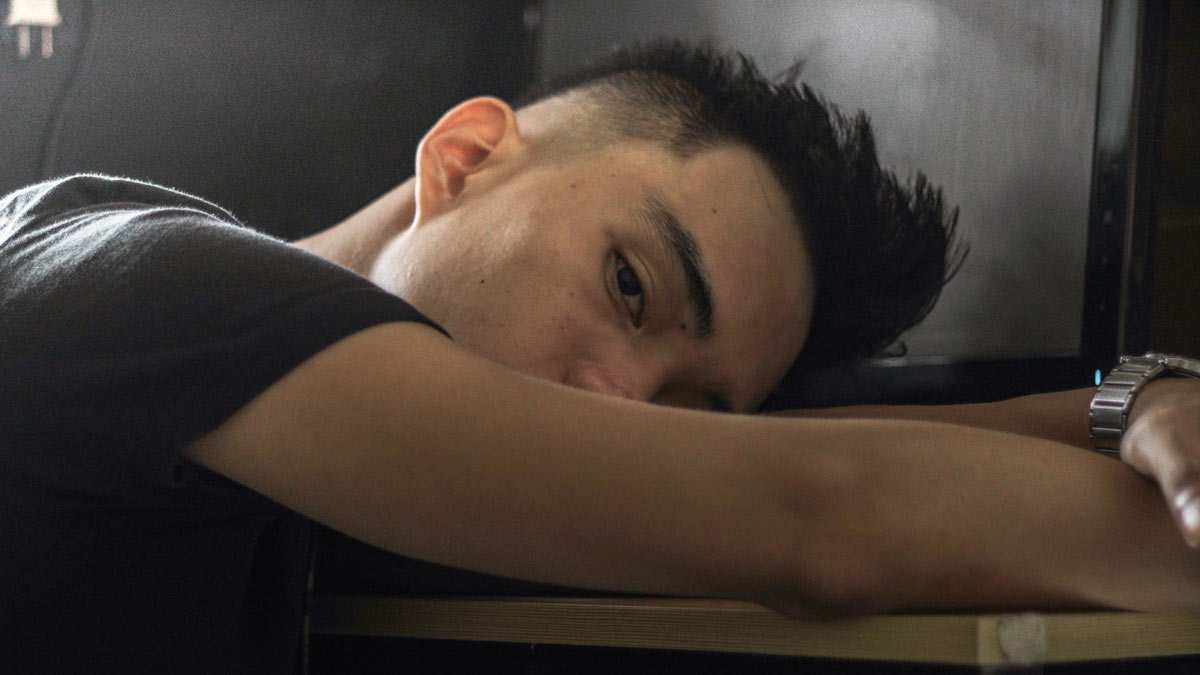
If you’re autistic or ADHD and constantly feel like you’re barely holding it together—or worse, that falling apart would mean losing everything—you’re not alone. Many neurodivergent (ND) people live in a near-constant state of overfunctioning, trying to meet neurotypical (NT) expectations while quietly falling apart inside.
Neurodivergent overfunctioning isn’t about being “strong” or “capable.” It’s about surviving in an ableist world. And it comes at a cost: your mental health, your energy, your self-worth.
And if that cost keeps rising, the result is often ND burnout: a deep, systemic kind of exhaustion that rest alone can’t fix.
Why We Overfunction
Autistics and ADHDers are wired differently from NTs, but that doesn’t stop society from expecting us to perform the same. We’re constantly hit with SES inputs: sensory, executive, and social stressors.
Busy environments. Demanding workplaces. Awkward small talk. These stressors pile up. And because accommodations are rare and understanding is rarer, we’re forced to compensate by:
- Masking: Hiding our stims, our discomfort, our overwhelm.
- Camouflaging: Pretending to follow social rules we don’t intuitively get.
- Compensating: Using planners, scripts, and reminders just to “keep up.”
These strategies are meant to help us survive—but when they become chronic, they’re a fast track to neurodivergent burnout.
The Inner Toll: Shame, Anxiety, and Burnout
Over time, the act of constantly pushing ourselves becomes exhausting. What’s worse is that we often blame ourselves for struggling. That inner voice whispers: “You should be able to do this.” “Everyone else can manage—why can’t you?” “You’re not trying hard enough.”
This is ableist noise—a form of internalized ableism that turns societal expectations into relentless self-criticism. Left unchecked, it feeds complex PTSD, anxiety, depression, and eventually: burnout.
ND burnout is more than fatigue. It’s emotional numbness, executive dysfunction, a loss of identity. It’s waking up and feeling like your internal batteries are completely drained—and no amount of sleep or self-talk can bring you back online.

What Recovery Actually Looks Like
Stopping the cycle of neurodivergent overfunctioning doesn’t mean giving up. It means choosing yourself over performative survival.
Here are a few ways to begin:
- Set boundaries around masking. Limit social time or work hours that require heavy compensation.
- Prioritize recovery. After high-stimulation events, schedule downtime to rest and reset your nervous system.
- Build safe spaces to unmask. Find one or two people who accept you as you are.
- Challenge the inner critic. When you catch yourself saying “I should…”, ask: Who told me that? And is it actually true?
- Practice self-compassion. You are not lazy, broken, or failing. You are surviving a system not built for you.
Recovering from neurodivergent burnout often requires unlearning years of shame, perfectionism, and self-surveillance. It’s not quick, but it is possible.
Give Yourself Permission to Be Human
If you’ve been overfunctioning for years, slowing down might feel like failure. It’s not. It’s resistance. It’s self-preservation.
You don’t have to earn your right to rest. You don’t have to perform neurotypicality to be worthy of love or success. Let yourself be good enough—messy, human, and whole.
You are allowed to stop running. You are allowed to take care of yourself. And you are absolutely allowed to protect yourself from burnout—because your well-being matters more than anyone else’s expectations.
Have you experienced neurodivergent burnout? What helps you come back to yourself when you’ve been overfunctioning for too long?
Essy Knopf is a therapist who likes to explore what it means to be neurodivergent and queer. Subscribe to get all new posts sent directly to your inbox.
© 2026 Ehsan "Essy" Knopf. Any views or opinions represented in this blog are personal and belong solely to the blog owner and do not represent those of people, institutions or organizations that the owner may or may not be associated with in professional or personal capacity, unless explicitly stated. All content found on the EssyKnopf.com website and affiliated social media accounts were created for informational purposes only and should not be treated as a substitute for the advice of qualified medical or mental health professionals. Always follow the advice of your designated provider.