

Neurodivergent alexithymia: Why feeling feelings is so hard

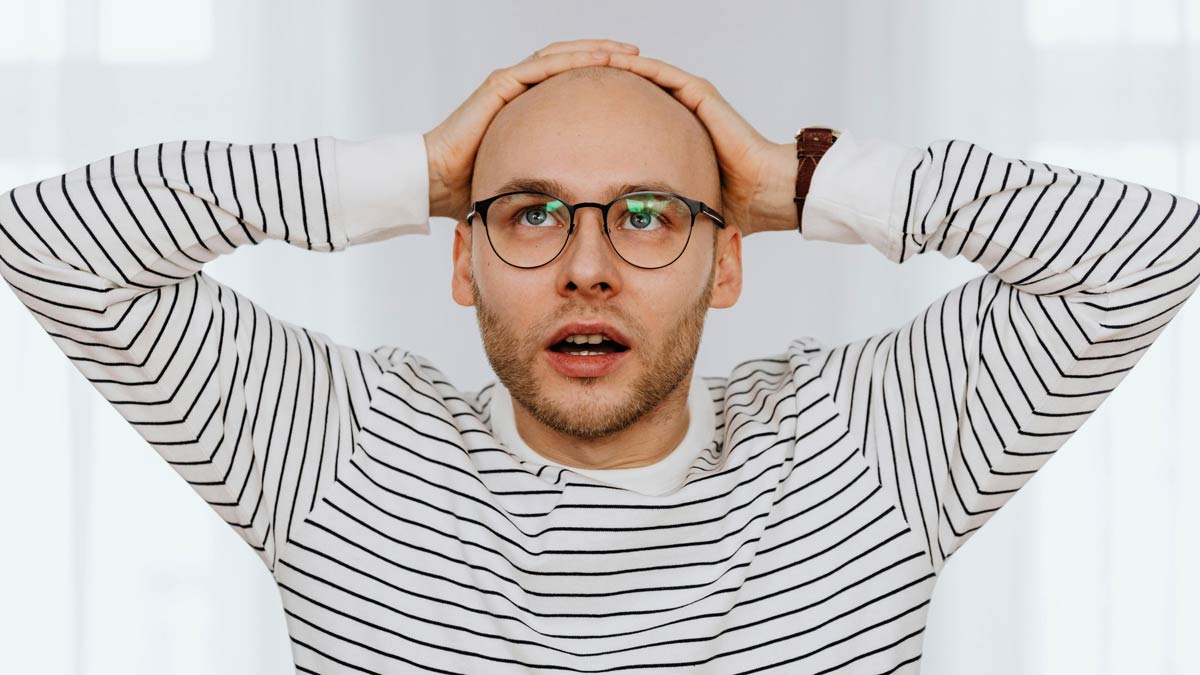
Have you ever felt like your emotions don’t make sense? Like you’re either totally disconnected from them—or they crash in all at once, leaving you overwhelmed and unsure how to cope?
If you’re autistic or ADHD, this isn’t just a you-thing. It’s a neurodivergent (ND) thing. And one common culprit? Alexithymia—aka “feeling blindness.”
Alexithymia means having trouble recognizing, understanding, or naming emotions. You might not even realize you’re feeling something until it explodes out of you—or leaves you shut down.
And when you don’t understand your emotions, it’s really hard to set boundaries, advocate for yourself, or feel truly connected in relationships.
But here’s the good news: emotional awareness is a skill. One that can be learned—with gentleness, patience, and the right support.
Why Emotions Are Especially Hard for Autistic and ADHD Folks
Some researchers think alexithymia is part of being ND. Others believe it develops because we’re constantly expected to perform neurotypical (NT) emotional norms that don’t reflect how we actually feel.
We’re often told we’re “too much” when we express big emotions… and “too cold” when we don’t express enough. It’s a no-win situation.
So what do we do? We learn to suppress. To mistrust our own emotional signals. To disconnect—until those signals feel like a foreign language we forgot how to speak.
This isn’t weakness. It’s survival. But survival-mode isn’t the same as thriving. When we can’t identify our emotions, we might:
- Feel sudden waves of anger or sadness with no idea why
- Doubt our emotional reactions and wonder, “Am I just overreacting?”
- Avoid expressing feelings for fear of being misunderstood or losing control
Why You Need Your Emotions (Even If They Scare You)
If emotions are this confusing, why not just think through everything logically?
Because emotions aren’t just noise. They’re data.
Anger can mean a boundary’s been crossed. Sadness signals loss. Anxiety might be prepping you for the unknown. These signals tell you what you need.
If you can’t name what’s going on inside, you can’t speak up. You can’t advocate. And you can’t fix what’s hurting.
This emotional disconnect doesn’t just affect you—it affects your relationships. If others can’t tell what’s going on with you, they may misread you as distant or unfeeling, even when you’re craving connection.
It’s like driving with no dashboard. You’re still moving, but you have no idea if your car is overheating—or if it’s about to break down.
What Is Neurodivergent Alexithymia?
The word literally means “no words for emotions.” It’s not a diagnosis—it’s a trait. And it’s super common among NDs. Around 50% of autistics experience it, and around 42% of ADHDers do too.
It’s often tied to impaired interoception—your ability to feel what’s happening in your body. And it might show up as emotional blankness: your face stays neutral even when you’re feeling something, and emotional storms: intense, sudden floods of feelings that leave you reeling.
Some researchers even link neurodivergent alexithymia to trauma responses. If you’ve been rejected, misunderstood, or shamed for showing emotions, you may have learned to shut them off to protect yourself.
Think of a river. In a healthy state, your emotions flow like water—sometimes fast, sometimes slow, but always moving.
But trauma or chronic stress can freeze that river. You go numb. Everything feels flat. And if you start to thaw? That river rushes in like a flood—fast, messy, terrifying.
That’s why the goal isn’t to unleash all your feelings at once. It’s to restore the flow—gently, safely, and with tools that help you regulate instead of drown.

Emotion + Logic = Intuition
You don’t have to choose between being a “logical” person or an “emotional” one.
When you learn to integrate both, you access your intuition—the deep, felt knowing that guides values-aligned decisions.
Maybe the job looks perfect on paper, but something feels off. That’s your intuition.
Maybe a friend keeps crossing your boundaries, but you can’t quite explain why you feel uncomfortable. That’s your intuition too.
Suppressing your emotions cuts you off from this inner compass. But tuning into it? That’s how you start living in alignment with you.
- Pause and Process: If you feel something you can’t name, stop. Breathe. Let it sit. Don’t push it away.
- Use Emotion Wheels or Sensation Charts: These help you move beyond the big three (mad, sad, scared) to more nuanced feelings.
- Journal in Third Person: Try writing about yourself like a character. “They clenched their fists. Their chest felt tight.” This adds distance—and safety.
- Engage Your Wise Mind (from DBT): Ask: What does my logical mind say? What does my emotional mind say? What’s the balanced perspective?
- Practice Expressing Emotions Clearly: Try a simple structure: “I feel ___ when ___. I need ___.” Example: “I feel anxious when plans change suddenly. I need a heads-up so I can adjust.”
Final Thoughts
If you experience neurodivergent alexithymia and you’ve spent years feeling disconnected from your emotions, please hear this: you are not broken.
Your brain was protecting you. But you can learn to reconnect. You can learn to trust your emotions again—and build a life that actually fits who you are.
Start small. Be patient. And remember: emotions aren’t your enemy. They’re your data, your intuition, your inner guide.
If you’re on your own journey with neurodivergent alexithymia, I’d love to hear about it in the comments. What helps you feel more connected to your emotions?
Essy Knopf is a therapist who likes to explore what it means to be neurodivergent and queer. Subscribe to get all new posts sent directly to your inbox.
© 2026 Ehsan "Essy" Knopf. Any views or opinions represented in this blog are personal and belong solely to the blog owner and do not represent those of people, institutions or organizations that the owner may or may not be associated with in professional or personal capacity, unless explicitly stated. All content found on the EssyKnopf.com website and affiliated social media accounts were created for informational purposes only and should not be treated as a substitute for the advice of qualified medical or mental health professionals. Always follow the advice of your designated provider.