

When neurodivergent advocacy triggers backlash

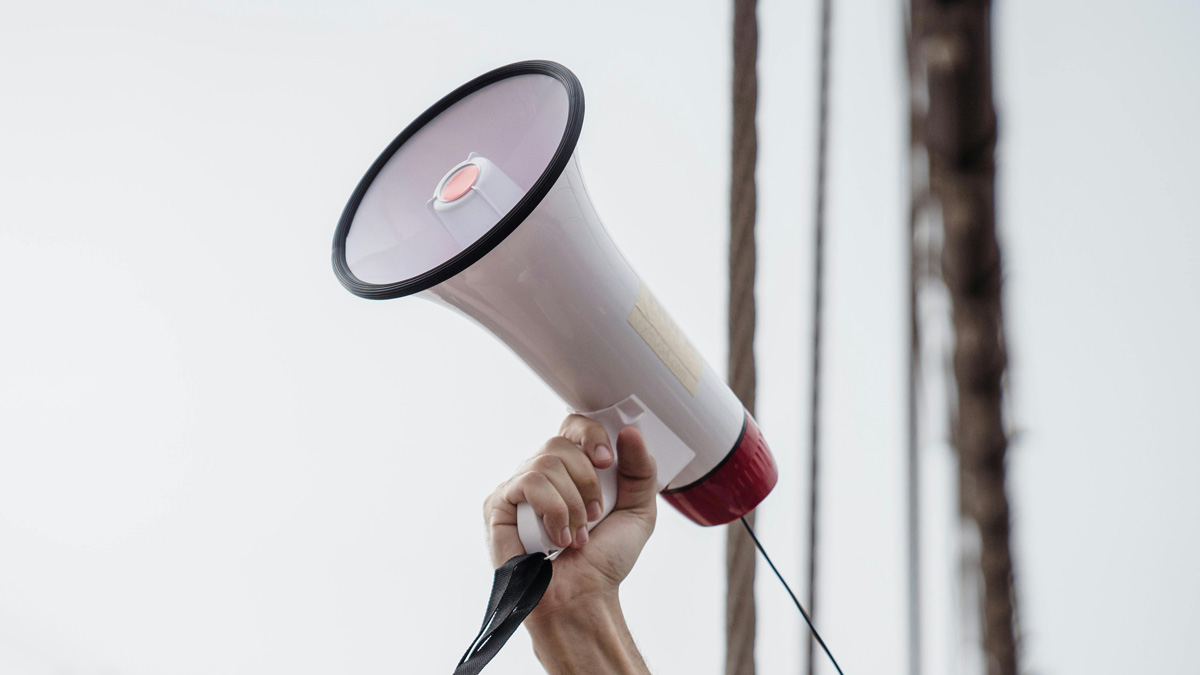
When marginalized people begin to speak openly about their lived experiences, society doesn’t always welcome them with open arms. We’ve seen this pattern repeat across history—from civil rights to feminism, to LGBTQ+ rights. Neurodivergent advocacy is no exception.
As autistics and ADHDers gain more visibility and speak out about the need for accommodations, acceptance, and systemic change, a familiar backlash emerges. Some of it is obvious and hostile, but much of it is subtle: skepticism, condescension, and defensiveness.
Why does this happen? And how do we push forward when the world pushes back?
Everyday Ableism Isn’t Always Loud
Let’s be clear: everyday ableism often hides in plain sight. It isn’t always slurs or outright discrimination. Sometimes, it sounds like:
- “Everyone’s a little ADHD.”
- “You just need to try harder.”
- “Why should you get special treatment?”
These comments may seem minor on the surface, but they reflect a deep discomfort with neurodivergent advocacy. They suggest that our struggles are imagined, exaggerated, or selfishly imposed on others.
What they reveal is a belief that neurodivergents (NDs) are asking for too much simply by requesting fairness—not privilege, just equity.
Why Advocacy Feels Like a Threat
Ezra Klein, in Why We’re Polarized, wrote: “The simplest way to activate someone’s identity is to threaten it.” When you’re used to the world being built for you, the suggestion that it might need to change can feel like a personal attack.
That’s what makes neurodivergent advocacy so triggering for some: it challenges long-held assumptions about what’s “normal,” who gets to succeed, and who deserves support. When we say “flexible work hours help ADHDers thrive,” someone hears “your rigid system might not be fair.”
To those used to default inclusion, that can feel like exclusion.
Common Reactions, Deeper Meanings
Let’s break down some typical backlash comments and the ableist logic behind them:
“ADHD didn’t exist 50 years ago.” This assumes that if something wasn’t widely diagnosed, it didn’t exist. It ignores decades of misdiagnosis, stigma, and lack of research. ADHD has always existed; we’re just now creating language for it.
“You just need more discipline.” This frames executive dysfunction as laziness or a lack of character. It erases the neurological basis of ADHD and autism, and puts all the responsibility on the individual to conform.
“If you can walk and talk, you’re not disabled.” This is gatekeeping. It defines disability by what is visible or severe, denying support to those with invisible or fluctuating challenges.
“Why should workplaces bend over backwards for you?” This treats accommodations as burdens, not bridges. It ignores how environments already cater to neurotypical (NT) needs by default.
“Stop promoting victimhood.” This attempts to silence advocacy by framing it as weakness. But recognizing systemic barriers isn’t about being a victim—it’s about seeking equity.
The Roots of the Discomfort
Much of this backlash stems from identity threat and a zero-sum mindset. When we ask for accommodations, people often assume we’re asking for more than they get—rather than different supports to achieve the same outcomes.
This discomfort is amplified when the challenges we face are invisible. People believe what they can see. So, if you’re autistic or ADHD and high-masking, your need for support is easily dismissed.
Some of the pushback even comes from within the ND community. Internalized ableism and the pressure to prove we’re “high-functioning” can lead some to criticize others for being “too sensitive” or “too demanding.”
Reframing Accommodations
We need to shift the narrative around what accommodations actually are.
Accommodations are not about getting special treatment. They’re about removing barriers. Just like a ramp doesn’t give wheelchair users an unfair advantage—it just lets them enter the building—noise-canceling headphones or deadline flexibility give NDs equal access to success.
And here’s the thing: accommodations often help everyone. Flexible work options, clearer communication, and reduced sensory overload benefit NTs, too.

How to Respond Without Burning Out
Facing backlash is exhausting. Here are some ways to navigate it without losing yourself:
- Name the pattern: Recognize when you’re dealing with systemic bias, not personal failure. That awareness alone can be grounding.
- Set boundaries: You don’t owe strangers your emotional labor. Block, mute, and step away when needed.
- Protect your energy: Choose when to educate. Not everyone is open to learning. But for those who are, a simple resource or perspective shift can make a difference.
- Connect with community: Find others who understand. Online spaces, group chats, forums—they can be powerful sources of validation.
- Keep advocating, your way: Whether that means sharing your story, pushing for change at work, or just setting boundaries in your personal life—it all counts.
For Our Neurotypical Allies
If you want to support neurodivergent advocacy, here’s how to start:
- Listen. Really listen. Without defensiveness.
- Check your bias. Ask where your discomfort might be coming from.
- Uplift ND voices. Share their work, advocate alongside them.
- Interrupt ableism. If someone says something harmful, speak up.
Final Thoughts
Backlash is painful. But it’s also a sign that neurodivergent advocacy is making waves. Discomfort can be the first stage of change.
If you’ve faced comments that made you doubt your worth, know this: you are not the problem. You are simply asking to exist on your own terms, in a world that wasn’t designed with you in mind.
Keep going. Keep speaking. Keep making space. Because the more we show up, the more the world has to stretch.
And that, in the end, is how real change happens.
Have you experienced pushback when advocating for your needs? What kinds of comments have stuck with you—and how did you respond?
Essy Knopf is a therapist who likes to explore what it means to be neurodivergent and queer. Subscribe to get all new posts sent directly to your inbox.
© 2026 Ehsan "Essy" Knopf. Any views or opinions represented in this blog are personal and belong solely to the blog owner and do not represent those of people, institutions or organizations that the owner may or may not be associated with in professional or personal capacity, unless explicitly stated. All content found on the EssyKnopf.com website and affiliated social media accounts were created for informational purposes only and should not be treated as a substitute for the advice of qualified medical or mental health professionals. Always follow the advice of your designated provider.