
Dopamine farming: Why ADHDers and autistics chase stimulation

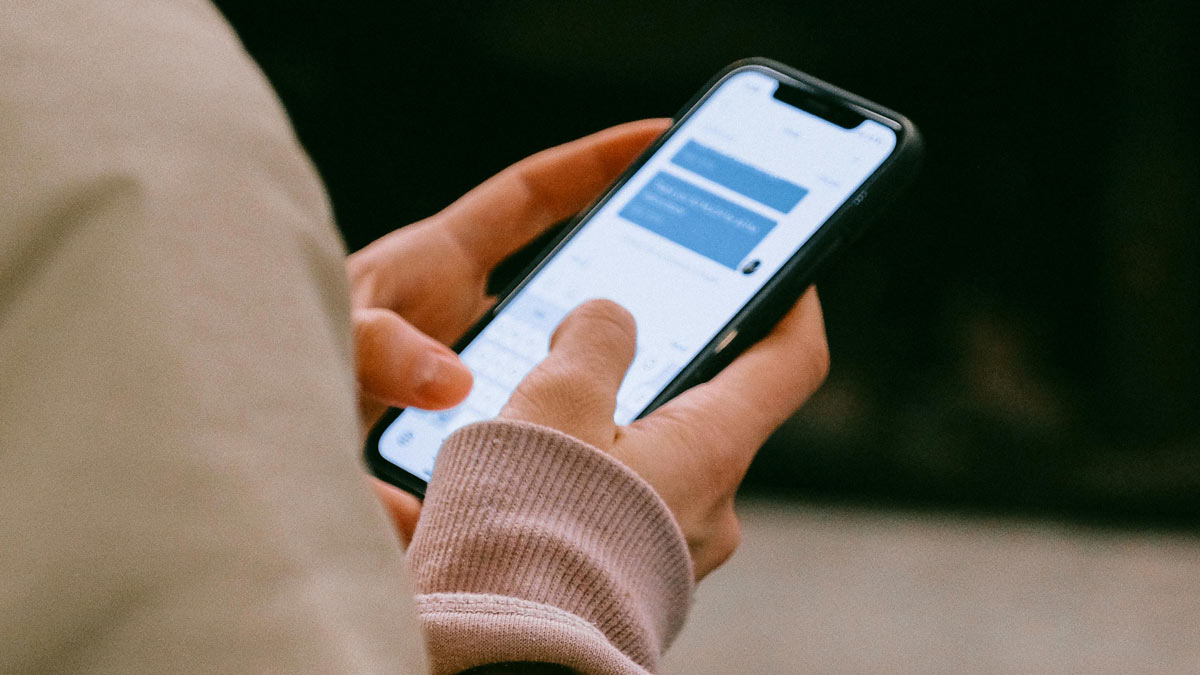
Ever find yourself doomscrolling before breakfast, binge-watching into the early hours, or disappearing into a hyper-fixation while life piles up around you? For many autistics and ADHDers, this isn’t just distraction—it’s survival.
We’re not chasing stimulation for fun. We’re farming for dopamine.
“Dopamine farming” is a term that describes our brain’s way of desperately trying to feel something. When dopamine is in short supply, as it often is in neurodivergent (ND) brains, executive functions like motivation, planning, and emotional regulation start to break down. That’s where reward deficiency syndrome (RDS) comes in.
What Is Reward Deficiency Syndrome?
RDS refers to a chronic imbalance in the brain’s dopamine system. And for those of us who are ND, this imbalance can be constant. Think foggy thinking, low motivation, restlessness, emotional dysregulation… or just a gnawing sense that something is missing.
Our brains crave reward, but struggle to generate it. So we look outward—for anything that might spark that elusive feeling of okayness.
How Dopamine Farming Shows Up
Whether it’s scrolling through social media, hyper-focusing on a new hobby, endlessly reorganizing your workspace, or impulse-buying stuff at 2 a.m., these aren’t random quirks. They’re our brains’ attempts at self-regulation.
Dopamine farming can look like:
- Binge-watching YouTube or Netflix
- Obsessive collecting or shopping
- Compulsive eating
- Jumping from one passion project to another
- Using dating apps or social media to avoid feeling flat
- Even workaholism, when it becomes a main source of stimulation
While these behaviors sometimes help us cope short-term, they often come with long-term consequences—like burnout, shame, or feeling even more depleted than before.
The Weekend Crash
A common experience among ADHDers and autistics is the “dopamine crash.” You reach the weekend with no plans, no structure…and suddenly you’re spiraling.
This isn’t laziness or failure. It’s withdrawal—from stimulation, from structure, from the dopamine hits that kept you afloat during the week.
In those moments, the need to engage in dopamine farming can become especially intense. And often, we feel shame about it—thinking we’re undisciplined, out of control, or broken.
You’re not. You’re just trying to function in a brain that’s under-resourced.

Healthier Ways to Farm Dopamine
Not all dopamine farming is harmful. In fact, when we lean into activities that nourish rather than drain us, we can build more sustainable coping strategies.
That might look like:
- Diving into a passion project—with boundaries
- Moving your body (even if it’s just a short walk or dance break)
- Spending time in nature
- Engaging your senses through texture, taste, or sound
- Creating small rituals of novelty (new music, new recipes, new podcasts)
The goal isn’t to stop farming dopamine. It’s to farm more mindfully—so the crops you grow don’t leave you running on fumes.
You’re Not Broken. You’re Wired Differently.
Understanding the role of dopamine farming and RDS helps shift the narrative. Instead of asking “What’s wrong with me?” we can start asking: “What does my brain need right now?”
Sometimes it needs stimulation. Sometimes it needs rest. And sometimes, it just needs a bit of grace.
So if you’ve been judging yourself for bouncing between obsessions, for overindulging, for starting things and never finishing them—know this:
You are not a problem to be fixed. You’re a person doing your best to function in a world that doesn’t always recognize your wiring.
And that? That deserves a whole lot more compassion.
Have you noticed your own dopamine farming patterns? What helps you find balance?
Essy Knopf is a therapist who likes to explore what it means to be neurodivergent and queer. Subscribe to get all new posts sent directly to your inbox.
© 2026 Ehsan "Essy" Knopf. Any views or opinions represented in this blog are personal and belong solely to the blog owner and do not represent those of people, institutions or organizations that the owner may or may not be associated with in professional or personal capacity, unless explicitly stated. All content found on the EssyKnopf.com website and affiliated social media accounts were created for informational purposes only and should not be treated as a substitute for the advice of qualified medical or mental health professionals. Always follow the advice of your designated provider.