

“Why can’t you?”: Breaking free from internalized ableism as an autistic or ADHDer

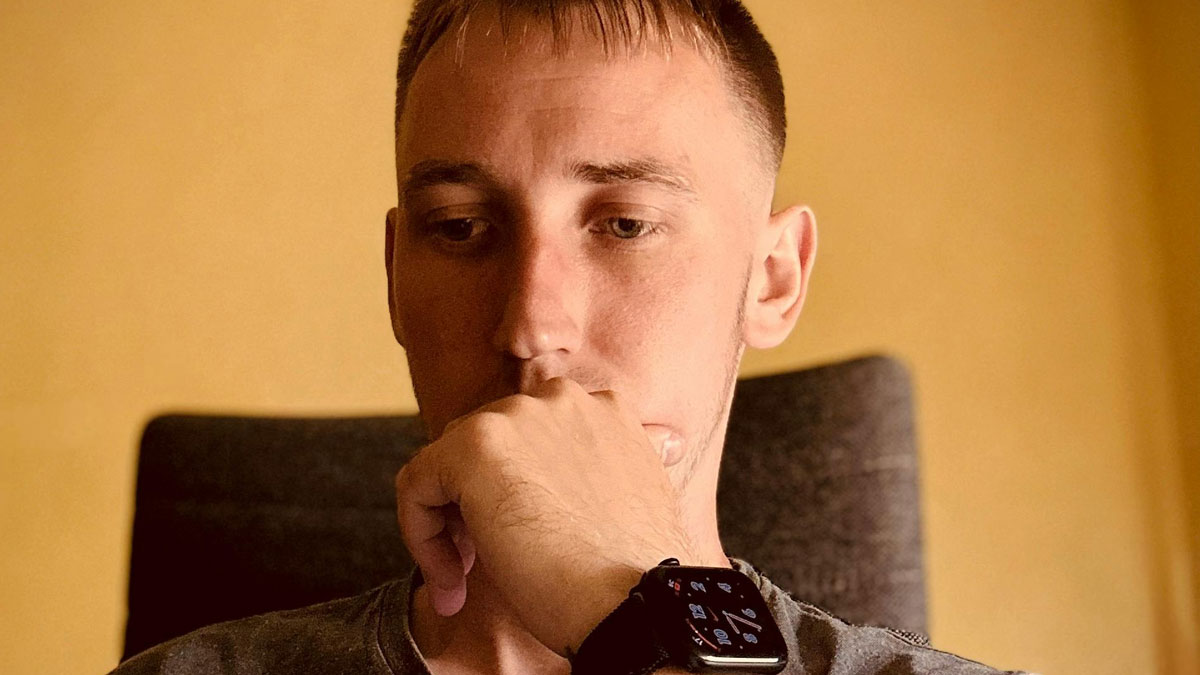
Have you ever asked yourself, “Why can’t I just be normal?”
If you’re autistic or an ADHDer, chances are you’ve heard this question—whether from others or inside your own head—far too often. Each time, it chips away at your sense of self, your right to exist as you are.
Let’s talk about that voice. Let’s talk about internalized ableism.
Where It Begins: The “Why Can’t You” Script
Many of us remember exactly when it started—early school days, perhaps, when a teacher asked why we couldn’t sit still, or a classmate mocked how we played or spoke. These moments don’t just sting in the moment; they shape the stories we tell ourselves for years to come.
The world asked, “Why can’t you…?” And we began to wonder, “Is something wrong with me?”
TIC: The Tyrannical Inner Critic
Eventually, the outer criticisms become internalized. A voice forms—harsh, relentless, always on alert for any mistake. This voice, which author Pete Walker calls the tyrannical inner critic (TIC), becomes a survival strategy.
“If I beat myself up first,” it says, “it won’t hurt as much when others do.”
But here’s the truth: self-criticism doesn’t protect you. It only deepens the wound. TIC isn’t your inner wisdom—it’s internalized trauma.
You’re Using the Wrong Yardstick
Society measures us using neurotypical (NT) expectations: how we socialize, focus, learn, behave. But this yardstick wasn’t built for us. It ignores the rich inner lives, creative passions, and unique ways of thinking that define many autistics and ADHDers.
No wonder we feel “less than.” We’re being held to a standard we were never designed to meet.
Masking: Surviving, Not Thriving
To protect ourselves, we often mask—camouflaging our traits to appear more “acceptable.” But masking is exhausting. It can leave us burnt out, disconnected, and unsure where the mask ends and we begin.
And when the mask slips, we risk rejection—not just in the form of bullying, but the colder pain of ostracism.
The Invisible Pain of Being Ignored
For many, the silence hurts more than the insults. Being ignored, left out, or dismissed triggers deep feelings of unworthiness. Research shows that even brief ostracism lights up the same pain centers in the brain as physical injury.
This can feed a cycle of rejection sensitive dysphoria (RSD)—where even small slights feel catastrophic. It’s not a weakness. It’s a trauma response.
Perfectionism and the Shame Spiral
To avoid criticism, we may strive for perfection—at work, in relationships, even in therapy. We do all the “right” things and still wonder, “Why can’t I just get better?”
But healing isn’t linear. Especially when we’ve spent a lifetime absorbing messages that we’re broken.
Start Here: Reframe the Question
Instead of asking “Why can’t I?”, try this: “What barriers have I faced that made this harder for me?” “What does my neurotype need that hasn’t been supported?” “Why should I have to mask, bend, and twist myself to fit a world that refuses to bend even a little?”
These are truth-telling questions. They shift the blame away from you—and back where it belongs: on a system that wasn’t built for ND minds.
Unmasking, Boundary-Setting, and Self-Compassion
Healing involves risk. Unmasking, setting boundaries, asking for accommodations—it’s vulnerable work. But it’s also freeing.
You’re allowed to stim. To need quiet. To ask for help. You’re allowed to say “no“.
Each small act of self-acceptance is a rebellion against internalized ableism.

And That Guilt?
Guilt for needing support? For being “different”? That’s not yours to carry.
Would you call a ramp user “a burden” for not climbing stairs? No? Then your sensory aids, executive functioning supports, and communication needs aren’t a burden either.
You Are Not Broken
Next time that voice whispers, “Why can’t you…?”—pause. Take a breath. And say:
“Because the world wasn’t built for me. Because I’ve had to survive in spaces that ignored my needs. Because I’ve masked and hustled and overcompensated just to get by. And above all, because I am not broken.”
Final Thoughts
You are not alone in this. Many of us are on this journey—peeling back layers of shame, questioning old narratives, and learning to stand in our truth.
So I invite you to ask yourself today: Where did “Why can’t you?” show up in your life? What belief did it plant in you? And what can you do—today—to start unlearning it?
Maybe it’s writing that belief down and crossing it out. Maybe it’s advocating for one small need. Maybe it’s letting yourself rest, unpunished.
Every step is a step toward liberation.
What’s one “Why can’t you…?” message you’ve internalized—and how are you beginning to rewrite it?
Essy Knopf is a therapist who likes to explore what it means to be neurodivergent and queer. Subscribe to get all new posts sent directly to your inbox.